Why Your Bathroom Heater Actually Sucks (And How to Fix It)
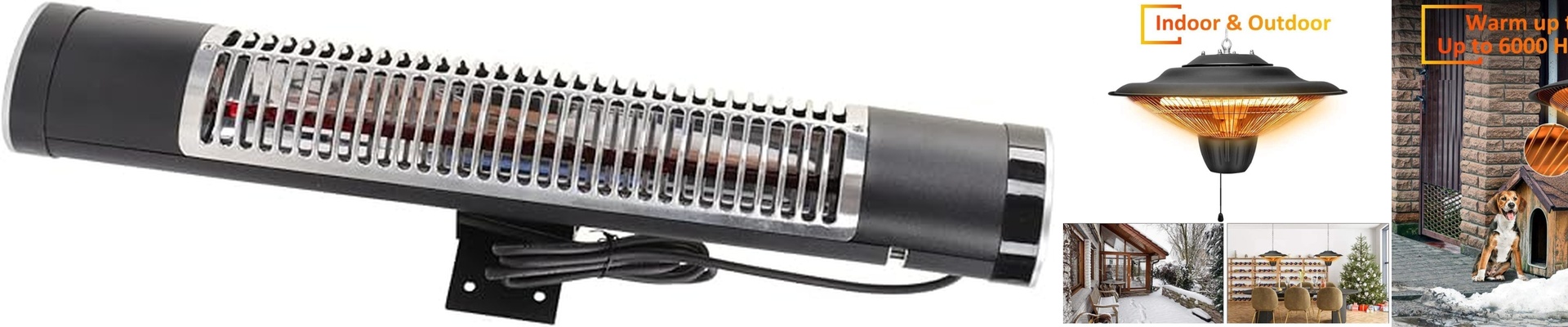
Ever notice how you turn on the bathroom heater, wait ten minutes, and you’re still shivering? It’s because most standard warmers just aren’t built for the humidity of a bathroom. We’re seeing a big move toward high-ceiling infrared heaters with serious waterproof ratings to solve this. Here is the deal with the heat. Most heaters just try to warm up the air. But since heat rises, all that warmth just hangs out at the ceiling while you’re standing there freezing on the floor. Infrared is different. It sends out waves that hit you—or the tiles—directly. You feel the warmth the second you flip the switch. No waiting around. But there’s a catch: water and electronics hate each other. Steam and splashes are basically poison for wiring. That’s why we lean on high IP ratings. It’s just a fancy way of saying the unit is sealed tight. Without a proper seal, moisture creeps in, hits the contacts, and burns the whole thing out. If you put a cheap, low-grade heater in a steamy shower, the terminals will oxidize and the lamp will just die. Simple as that. Now, let’s talk gear. These units usually run on quartz tubes or halogen elements. They pack a ton of heat into a tiny space and get hot fast. The only downside? They’re thirsty for power. A high-wattage infrared unit pulls a lot more juice than a basic light bulb. You’ll want to double-check that your wiring can handle the peak amperage, otherwise, you’re just going to keep tripping your breakers. When it comes to actually putting these in, we design them to just slide right into your old ceiling fixtures. You use the same switch you’ve always used, but the actual warmth you feel is on a different level. One last tip: check your brackets. These things get seriously hot. If you use a cheap plastic housing, it’s going to warp. Stick with aluminum or treated steel. It lasts longer, and it’s a lot safer.