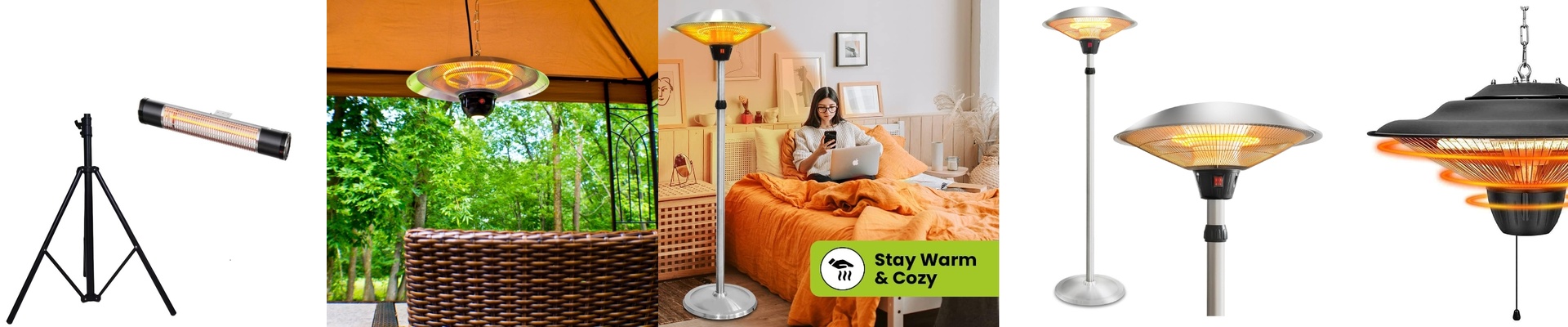
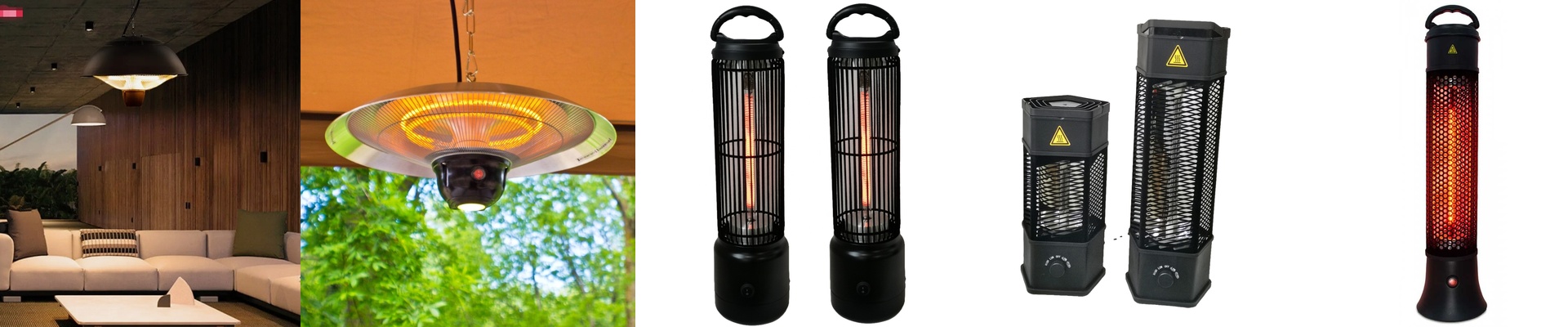
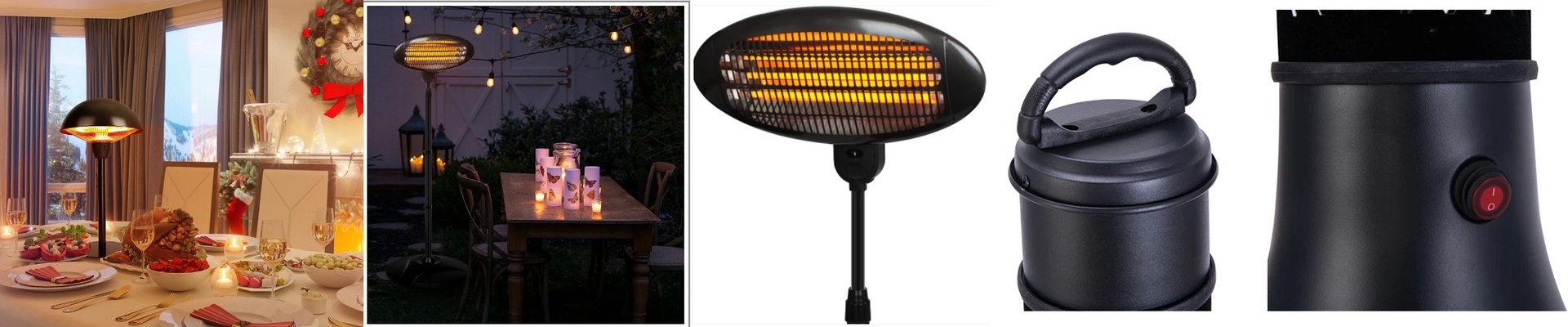
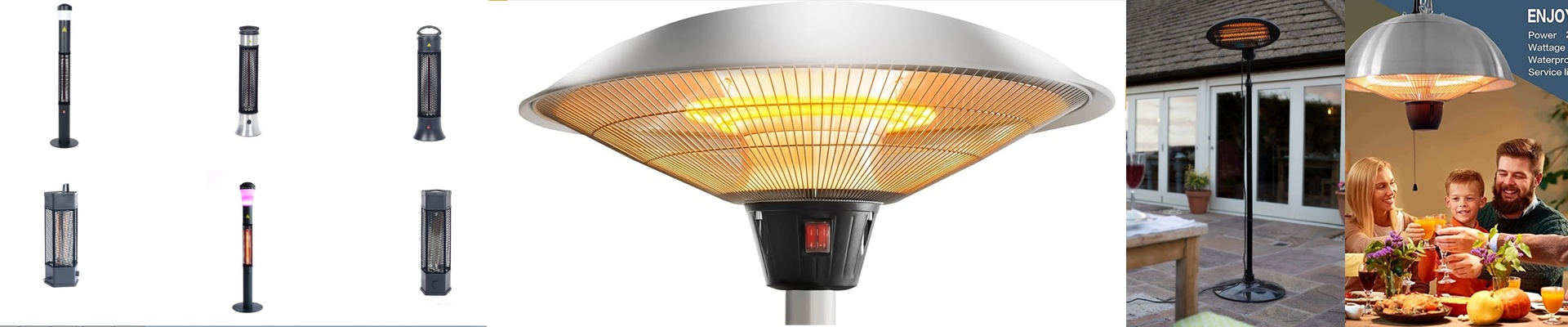
Stop Heating the Air, Start Heating the People
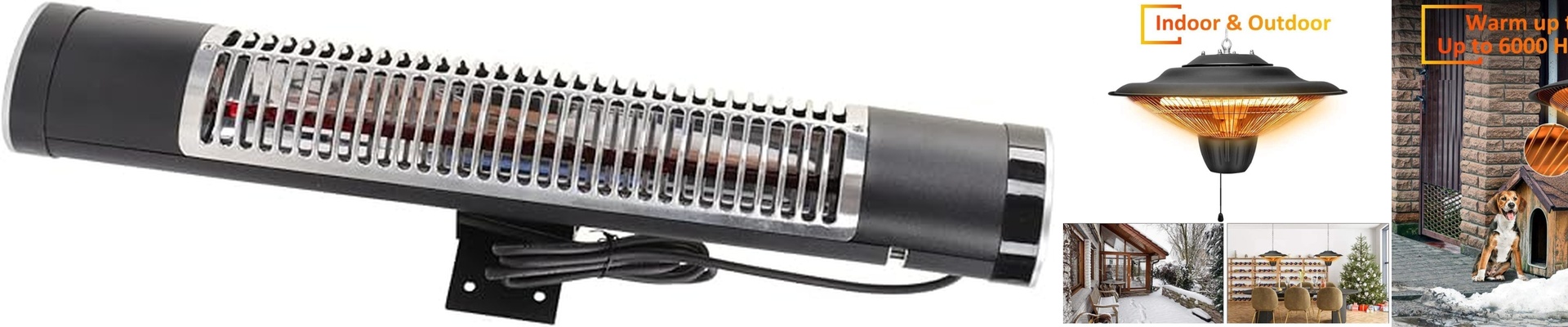
Ever walked into a locker room or a changing area and felt that bone-deep chill? You know the feeling. The vents are blasting away, but all that warm air just floats up to the ceiling, leaving you shivering on the floor. It’s frustrating and, frankly, a waste of money. That’s why we do things differently with our recessed infrared heaters. Instead of trying to warm up the entire room, we focus on the person. Think of it like stepping into sunlight on a cold day. You don’t wait for the air around you to warm up; you feel the heat on your skin immediately. We use short-wave infrared emitters to send that energy straight down. No waiting. No “cold feet” syndrome. Just instant warmth. The Setup We tuck these heaters right into the ceiling. It keeps the room looking clean—no bulky fixtures hanging down in your way—but it keeps a clear line of sight to whoever is standing below. The physics are pretty straightforward. The emitters hit their temperature in seconds, and the heat travels at the speed of light. There’s no lag time. You flip a switch, and you’re warm. Simple. The Nitty-Gritty To get that “five-star” cozy feeling, these units pack a punch. We use quartz tubes with a special coating designed specifically to be absorbed by human skin. But here is the thing: you have to be smart about your electrical plan. These heaters pull a lot of current. If you try to run them on a circuit that isn’t beefy enough, you’re going to be tripping breakers the second the system kicks in. And because short-wave emitters get incredibly hot at the source, don’t just slap them into any ceiling. Make sure your materials are fire-rated or shielded. You don’t want to accidentally scorch your drywall. Keeping it Running We didn’t want facility managers pulling their hair out over maintenance, so we made these “drop-in.” If a tube eventually burns out, you don’t have to rip the whole housing out of the ceiling. You just swap the element and you’re back in business. Mount the frame, wire the terminals, set your thermostat, and you’re done.