Why We’re Switching to UHP Infrared Curing in Semi Fab
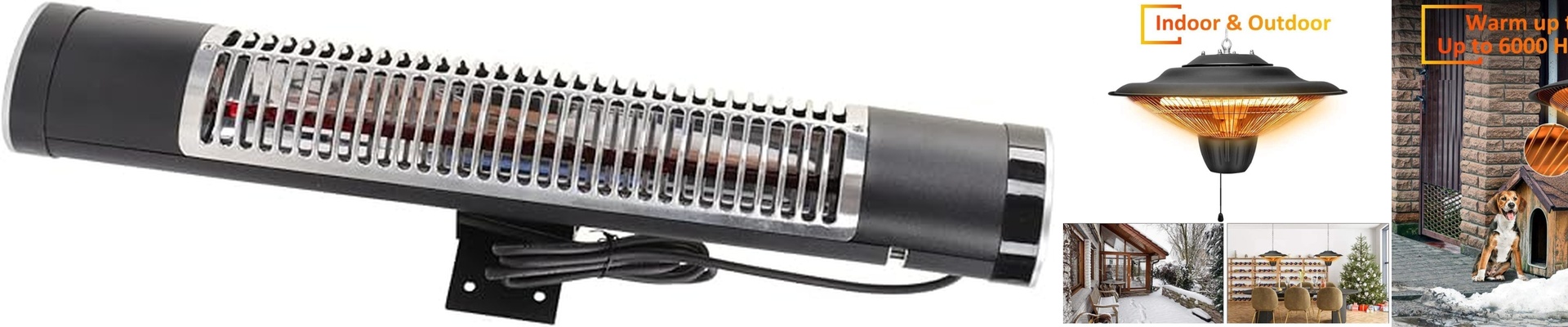
The semiconductor world is moving away from those old-school convection ovens. We’re seeing a big shift toward Ultra High Purity (UHP) infrared heater lamps. This isn’t just some industry trend. It’s about hitting those strict lead-free and “green” drying standards without wasting a ton of electricity.
Getting the physics right
Think about how a regular oven works. You heat up the air, and then the air heats the wafer. It’s slow. It’s inefficient. UHP IR lamps do things differently. They use shortwave radiation to beam energydirectlyinto the substrate. The heat doesn’t just hang around the chamber walls; it hits the target and stays there. The best part? You can actually shrink the size of your drying setup without slowing down your output. It’s a win for your floor space and your energy bill.
The fight against contamination
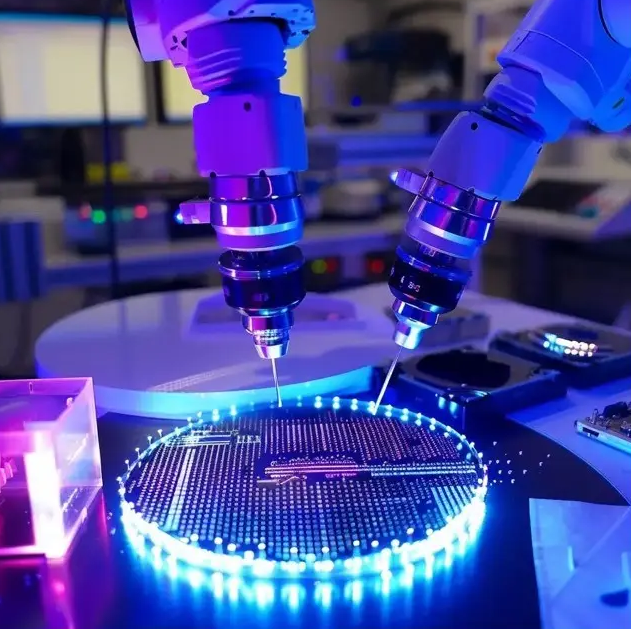
In a cleanroom, outgassing is basically the enemy. One tiny bit of junk in the air and you’ve got a problem. That’s why we use high-purity synthetic quartz and specific halogen fills. We need to make sure no metallic contaminants leak into the environment. These lamps can handle extreme heat without the quartz envelope breaking down, so you get a clean heat source that doesn’t drop particulates onto your wafers.
The trade-off: Speed vs. Precision
Here’s the thing: UHP lamps are intense. Your ramp-up time is almost instant. But that speed comes with a catch. Because the energy is so concentrated, you have to be incredibly careful with your conveyor speed and the distance from the lamp. If your PID controllers aren’t dialed in just right, you’ll end up scorching the edges of your wafers. It takes a bit of finesse to get it perfect.
Cleaning up the process
IR curing is a dry process. That means you can stop relying on those chemical solvents or lead-based catalysts that used to be the norm in older setups. By moving to UHP IR, you just pull those toxins right out of the production line. It’s the simplest way to get to a zero-emission drying stage.