Cutting Carbon in the Clean Room: Why IR Bench Heating Actually Works
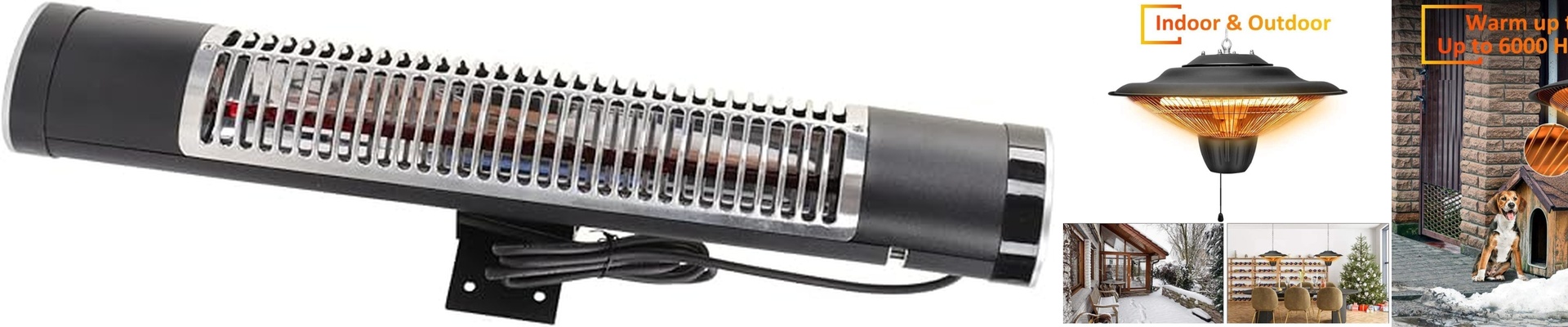
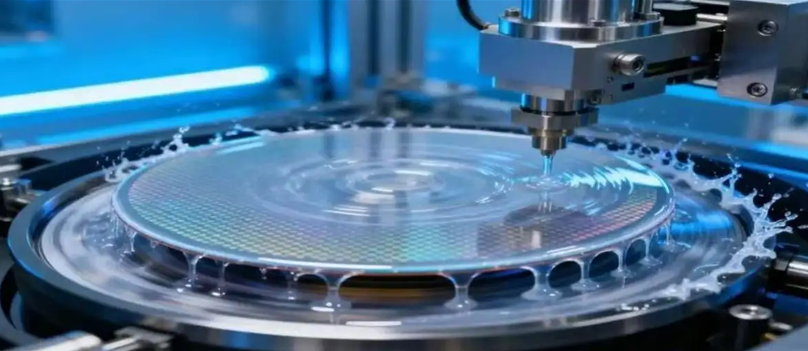
Let’s be honest about clean rooms. They’re energy hogs. If you’re still relying on old-school convection ovens, you’re basically paying to heat up the entire room just to get a few wafers up to temperature. It’s a waste of money and a nightmare for your carbon footprint. That’s why we’ve been moving toward infrared (IR) bench lamps. Instead of fighting the air, these lamps go straight for the substrate. It’s direct. It’s efficient. And it keeps your energy bills from spiking. Speed and Power We use short-wave IR emitters because they don’t mess around. You hit your target temperature in seconds, not minutes. Since the energy is focused exactly where it needs to be, you aren’t dumping kilowatts into a chamber for hours on end. Your ramp-up times just… vanish. It makes the whole workflow feel tighter and way less sluggish. Keeping it Clean In this business, a single speck of dust is a disaster. We get that. That’s why we use high-purity quartz envelopes. No outgassing, no random particles shedding onto your silicon. We also made sure these are “drop-in” units. When a tube finally burns out—and they will—you can swap it using standard connectors and get back to work immediately. No long afternoons spent wrestling with the hardware. Plus, we design the system to reflect the radiation back toward the target. This means your HVAC system doesn’t have to work overtime to cool the room back down. The Catch: Managing the Heat Look, IR heating isn’t magic. When you cram this much energy into a small bench area, things get hot. I mean really hot. If you don’t get your cooling fans or water-cooled jackets right, you’re going to have problems. We’ve seen mounting brackets warp and systems trigger thermal shutdowns because the ventilation couldn’t keep up. It’s all about the balance. You get that incredible heating speed, but you have to be smart about how you move the ambient heat away from the housing. Get the cooling right, and the rest is easy.