Why Infrared Curing is the Real Deal for Lead-Free, Energy-Smart Semiconductor Drying
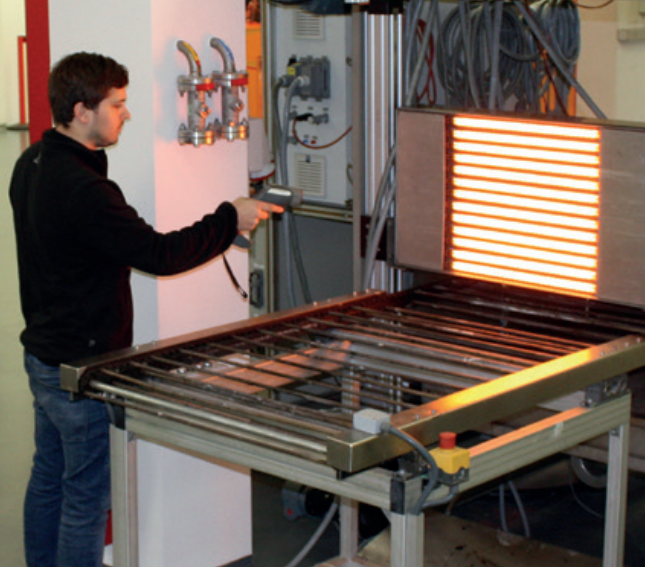
We build clean room oven infrared heaters specifically for semiconductor drying. And when it comes to going lead-free and staying fully compliant, the industry keeps pointing back to infrared. Why? Because it’s physics. Not hype. Infrared sends heat straight in, as radiant energy. No air blowing around. No chance for the clean room to get re-contaminated by convection. That alone changes the feeling in the room—quieter, cleaner, more in control.
Power, Voltage, and a Footprint That Makes Sense
The heaters we’re talking about lean on high-output quartz tubes—often 2500W, designed for 400V. That combo packs serious heat density into a small space. So you get a fast temperature ramp-up without stressing your cleanroom electrical setup. And the 300mm tube length? That’s intentional. It matches standard wafer trays and carriers, so you can plan your oven line to fit cleanly. No wasted space. No wasted energy.
Built to Last: Coating, Quartz, and a Connection You Can Trust
The tubes use a coated quartz envelope, which helps them handle thermal shock and keep output steady. The coating also helps reduce surface contamination—exactly what you need when the environment has to stay spotless. Inside, halogen elements deliver shortwave infrared. It cuts through coatings and photoresists quickly and evenly, so you’re not waiting around for the heat to do its job. And the R7s connector is the standard interface for a reason. It handles high current, and it locks in without needing tools. You wire it, snap it, and it stays solid—even when the temperature keeps cycling.
What It Feels Like on the Floor: Control, Efficiency, and No Surprises
On the line, infrared gives you the control lead-free processes demand. It hits the target temperature fast. Holds it steady. Then powers down clean, so you’re not burning energy or creating extra emissions. And it works within clean room protocols, keeping particulate low and outgassing under control. There is one thing to plan for, though. A 400V, 2500W tube throws off intense heat density, so your machine’s cooling has to be up to the task. When the heater and the oven are matched well, you get repeatable drying—lower energy use, and a solution that drops right in while meeting global environmental standards.