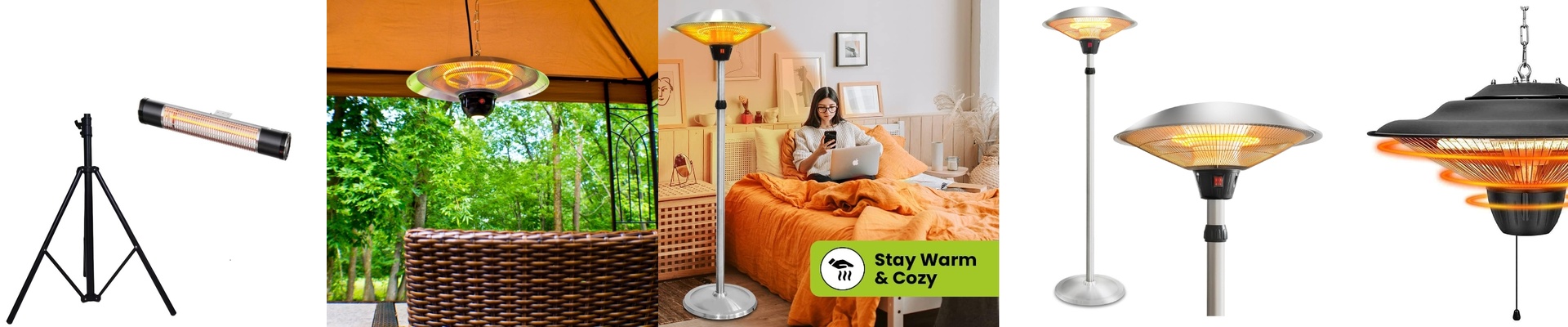
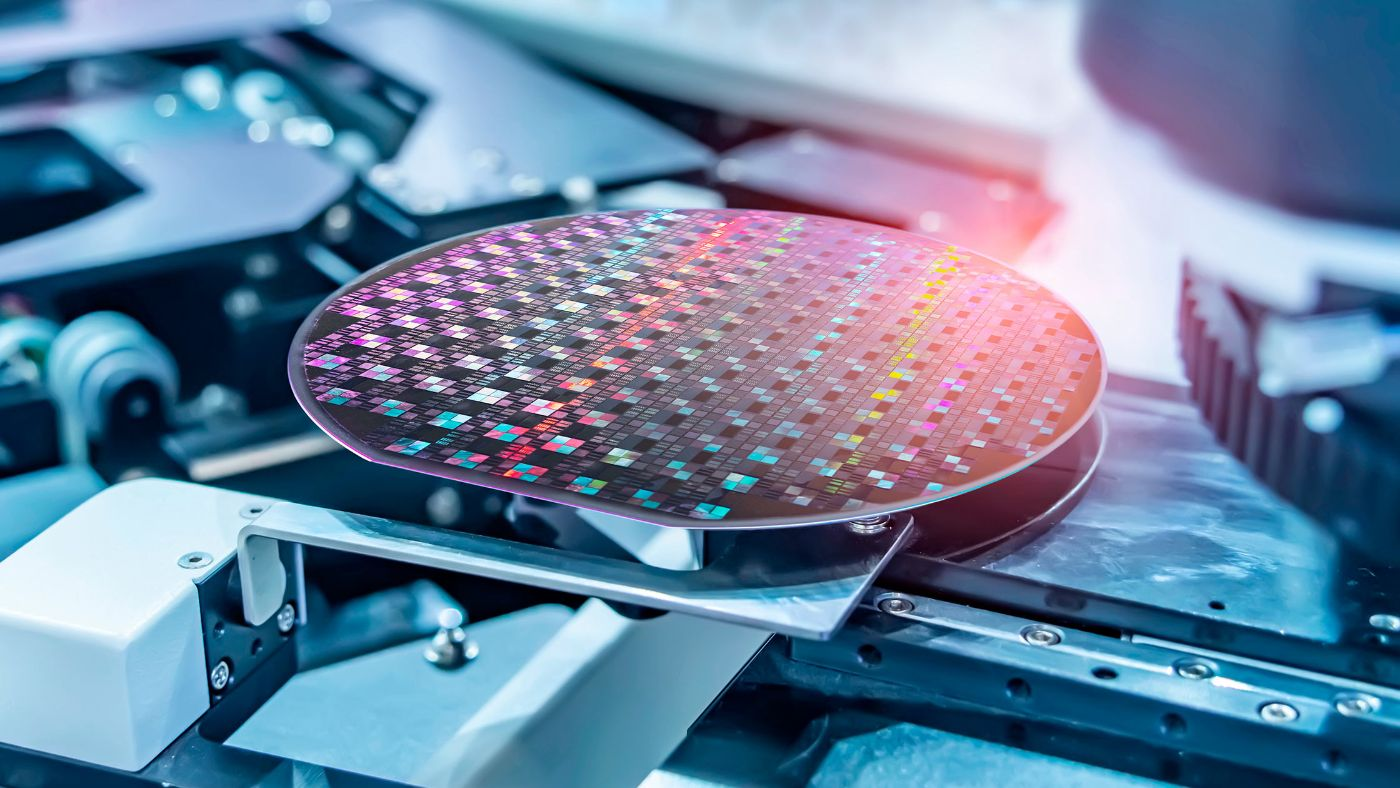
On the fab floor, thermal drift in a trolley heater doesn’t show up as a headline. It shows up as a 0.3°C excursion during photoresist bake—and then as a line-width excursion you spend a week chasing. We built our cleanroom trolley heaters to keep the thermal budget where it belongs: inside the process window, not in the variance. What matters, technically We run short-wave infrared elements in a quartz envelope—fast response, low thermal mass. Across the work zone, we hold wafer-level uniformity at ±0.1°C, from 50°C to 300°C setpoints, measured on calibrated thermocouples under a production-equivalent load. Control is closed-loop, with multi-zone compensation, so shift-to-shift repeatability stays within ±0.2°C. The heater body is stainless, seams sealed. Airflow paths are laid out to minimize particle shedding. Cleanroom Class 1–100 compatibility is backed by routine particle testing at the exhaust. Why it holds up in real work In wafer drying and cleaning, the heater keeps the dew-point margin stable, so water removal stays consistent—without thermal shock. In lithography, that same stability translates directly into soft bake and hard bake control, cutting residual solvent variance and CD drift. For packaging curing, the fast ramp shortens oven dwell time while keeping glass transition within spec. Energy draw is managed through duty-cycle optimization, and the predictable thermal profile cuts scrap and rework. What you need to plan for Installation means matching voltage and having enough amperage on a dedicated branch, plus leveling the unit so airflow symmetry stays true. The response curve is quickest with a clean, pre-warmed chamber; load in cold carriers and you’ll see a momentary overshoot until the control loop settles. Plan a short commissioning run to map setpoints against your actual wafer boat and carrier stack.