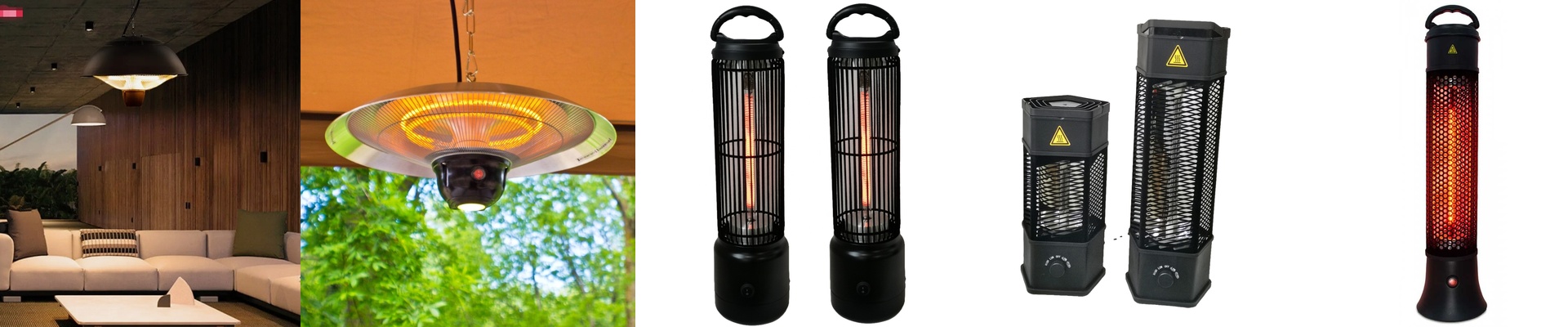

Winter mornings with a baby in the car aren’t just about getting warm. You need heat that shows up fast, stays even, and doesn’t turn the cabin into a drafty, oxygen-thin box. That’s where a portable infrared car heater earns its keep—while forced-air units tend to miss the mark.
What matters under the hood
This unit leans on short-wave infrared, delivering radiant warmth that travels outward and heats people and surfaces directly, instead of wasting time heating air first. You feel comfort sooner, and there’s no noisy fan cycling on and off. A carbon fiber emitter keeps output even across the 12V operating range, drawing modest current so it can run off a standard vehicle socket without tripping the circuit. The footprint is small—about the size of a small thermos—and it sits steady with built-in anti-tip feet. If it gets accidentally covered or tips over, an automatic thermal cutoff shuts it down before temps climb.
Why it fits the family car
For families, the payoff is in how the heat behaves. Infrared doesn’t chew through oxygen or dry out the air, so the cabin stays breathable—especially on longer drives when the little one is asleep. Because the warmth is directional, you feel it in your hands and feet sooner, and the baby’s seat warms without a blast of air that can dry skin and irritate airways. No roaring motor to startle a light sleeper, and the heat comes on instantly, so you spend less time idling—less fuel burned, less noise.
The fine print
Think of a portable infrared car heater as supplemental warmth. It heats people and nearby surfaces well, but it won’t replace the vehicle’s built-in system when it’s seriously cold. For best results, point it toward the lower body and keep the beam off direct contact with upholstery or the child seat. **Always plug into the vehicle’s 12V outlet—skip the inverter.**And avoid running it for long stretches with the engine off, or you’ll drain the battery.