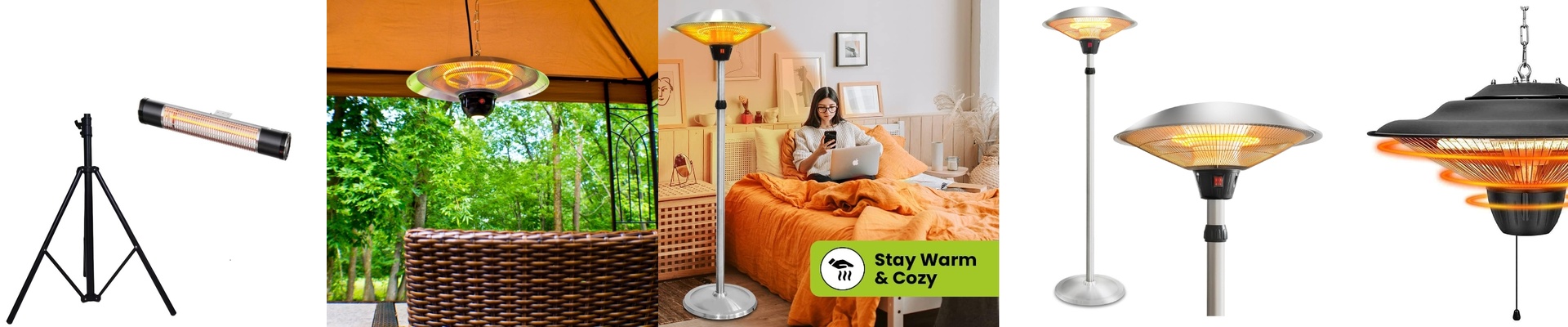
Outdoor seating doesn’t stay comfortable just because the sun goes down. In commercial settings, one cold evening can turn a full booking into empty tables—guests shiver, staff are stuck in bulky layers, and the experience falls apart. When the heat underperforms, you feel it in both revenue and reputation.
What matters under the hood
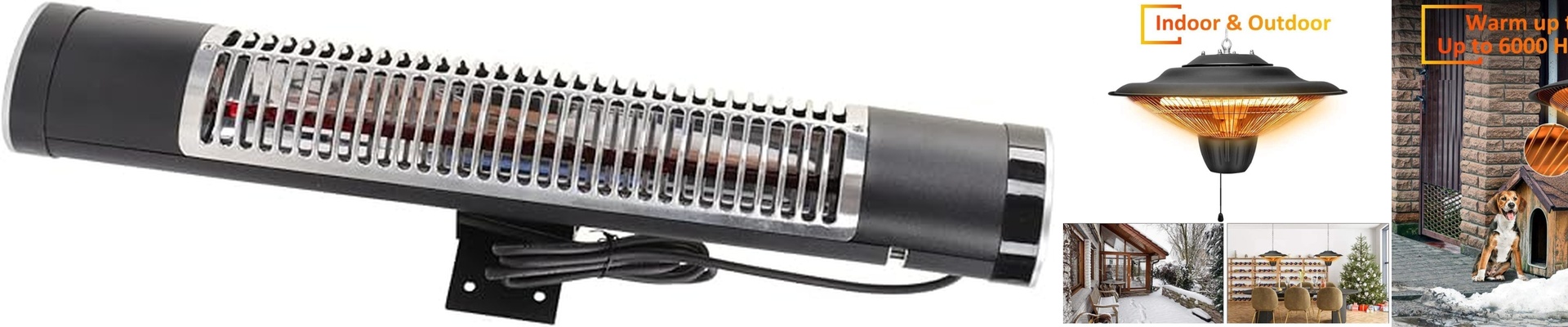
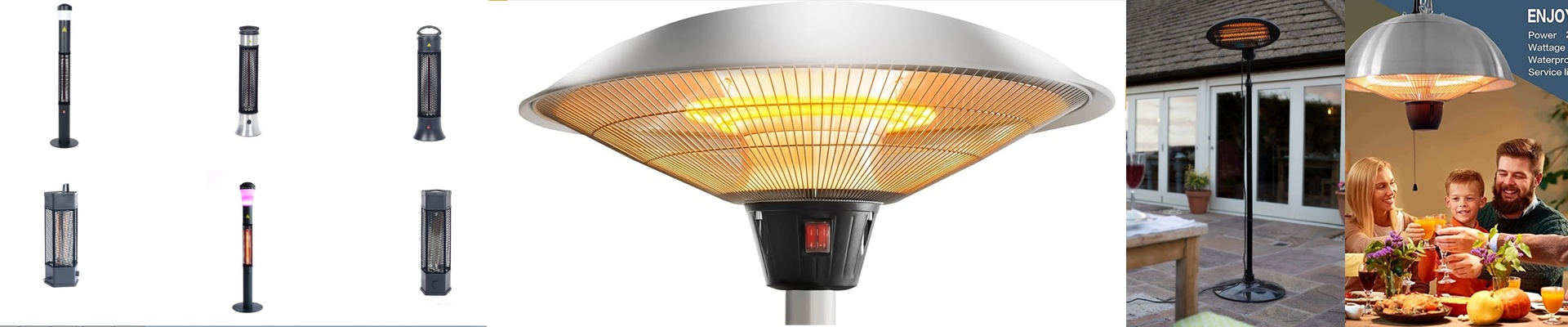
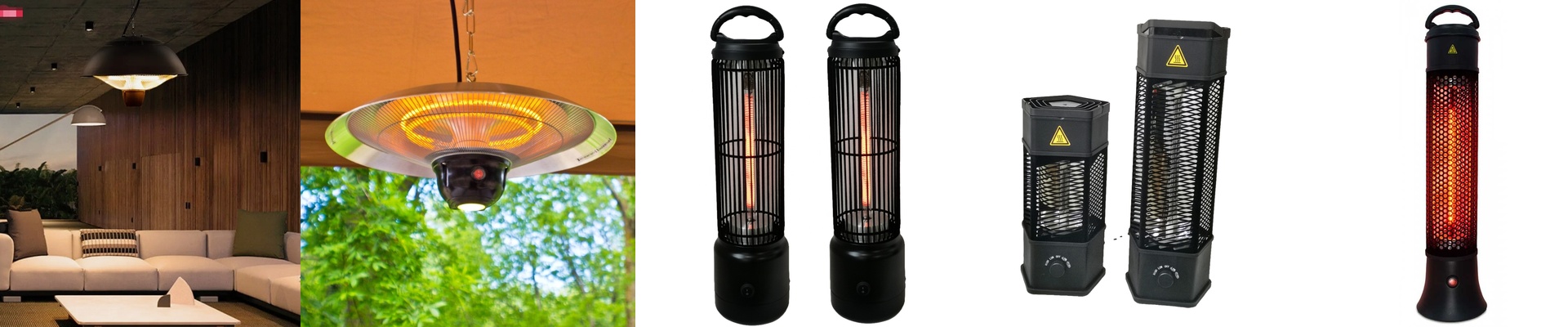
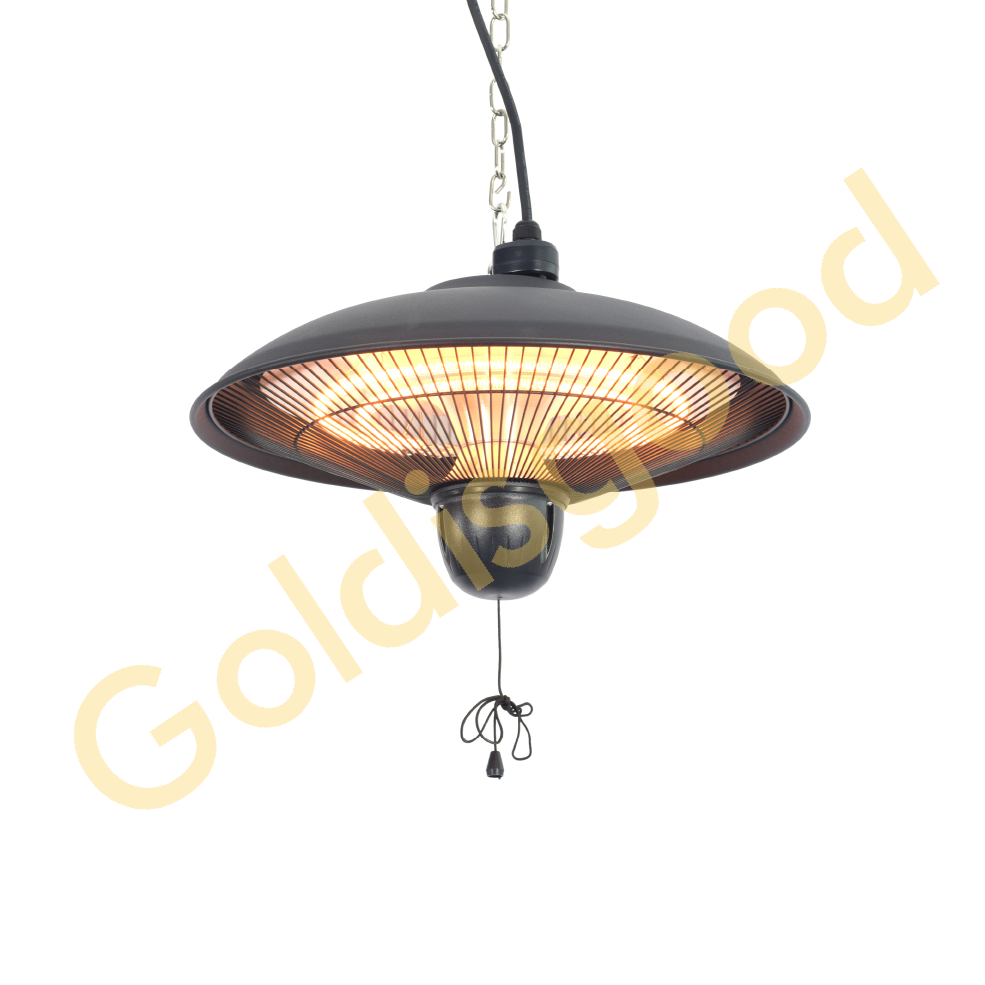
Our commercial patio heater leans on infrared radiant heat, warming people and surfaces directly instead of moving air around. The core is a high-purity quartz tube housing a carbon fiber heating element, chosen for fast heat-up and even output. You get heat within seconds, and the beam pattern keeps warmth where you aim it. We pair that element with a built-in thermostat and a tough, weather-resistant housing rated for outdoor use. For safety, the unit has tip-over protection and a thermal cutoff that interrupts power if it’s knocked out of position or starts to overheat. The result is steady comfort with fewer hot spots and less draft.
Why this design fits the real world
This approach supports zero-waste operations. We build the heater with high-recycled-content materials—meaning less virgin material per unit and less strain on sourcing. Those materials are also chosen for long service life, so you replace less often and cut down on the waste that comes with constant turnover. In practice, the patio feels inviting earlier in the season and later into the night. Guests settle in, conversations last longer, and staff can move freely without layering up. The focused warmth helps keep energy use aligned with occupancy, so you can extend outdoor hours without throwing money at comfort.
The practical details you can’t skip
Infrared warmth is directional, so placement matters. Aim the heater over seating areas and away from walkways to avoid hot spots and glare. The unit runs on a dedicated electrical circuit, so confirm local voltage and outlet compatibility before installation. Here’s the trade-off you’ll see on site: performance depends on air movement. In very windy spots, heat gets deflected, so plan for wind breaks or additional units to keep comfort consistent. When you set it up right, the heater delivers reliable warmth—paired with a design that supports long-term, responsible operation.