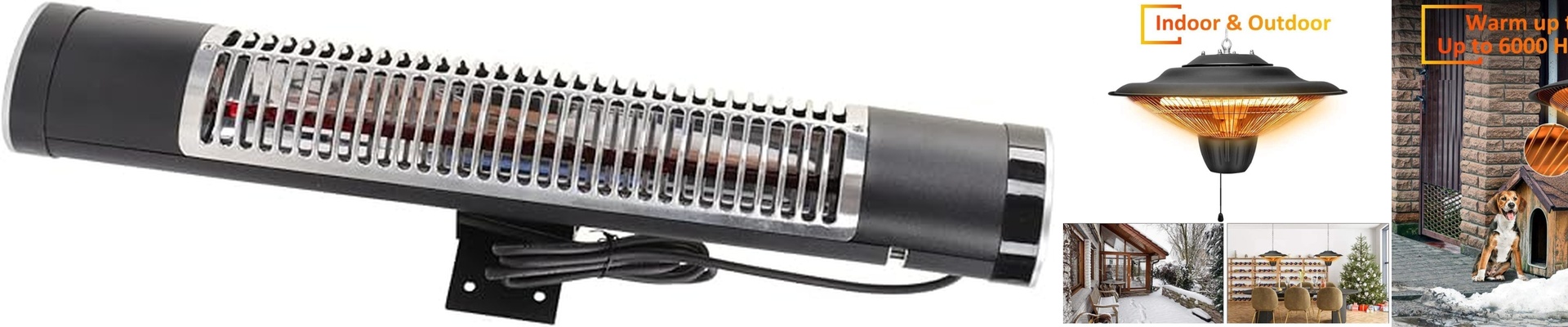
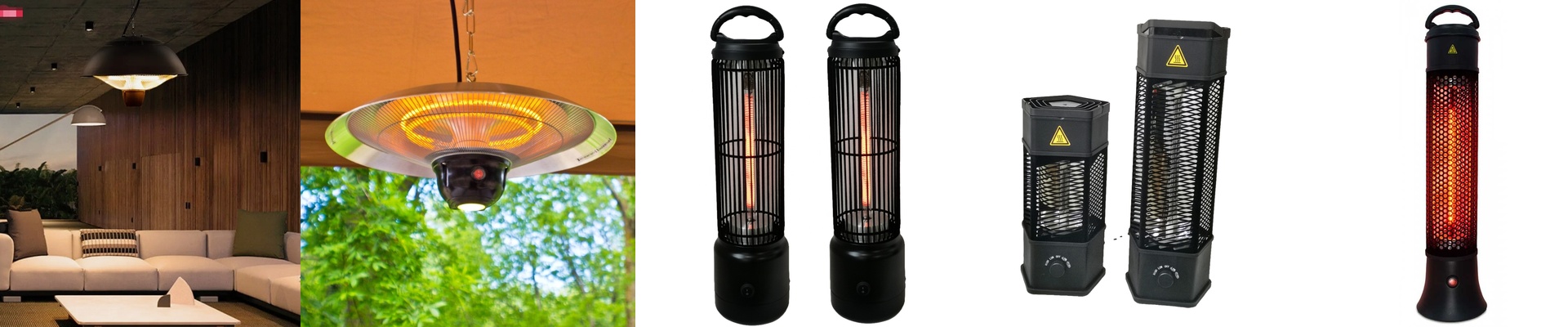
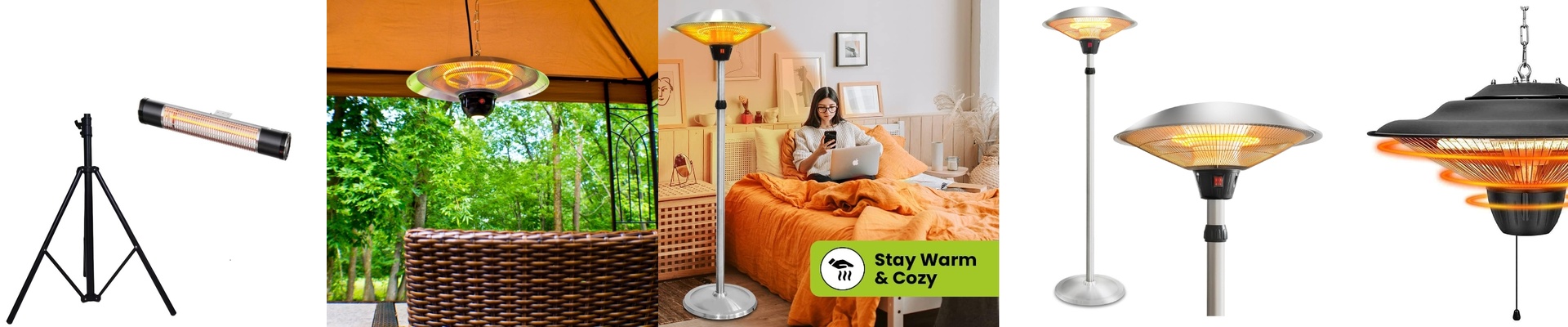
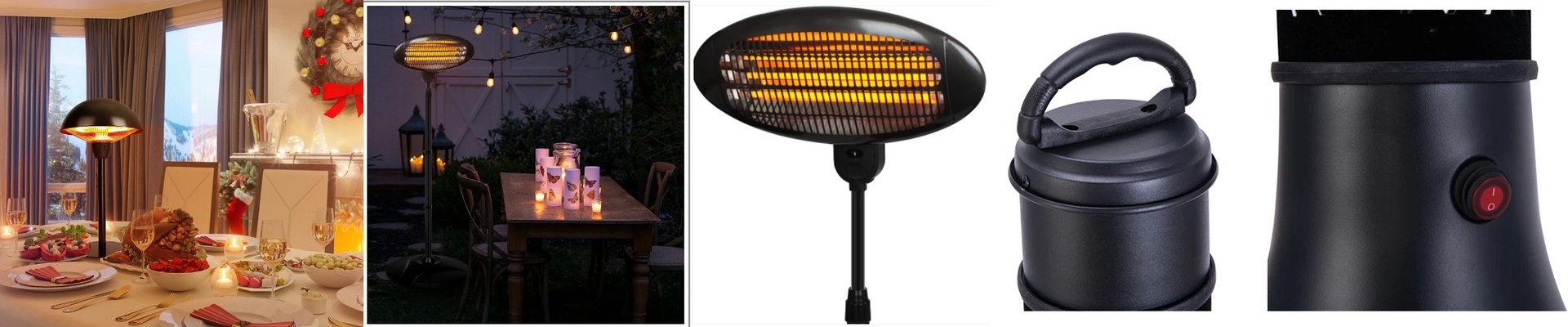
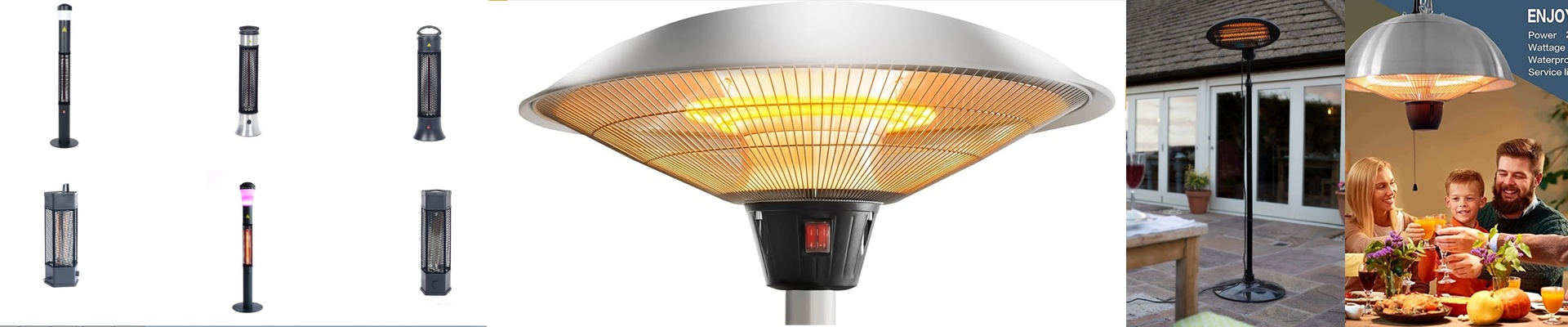

Stepping out of a steamy shower onto a cold floor isn’t just uncomfortable. It’s a jolt that tightens your shoulders and spikes stress. In a bathroom, the issue isn’t only the chill—it’s the moisture and what happens when the heat can’t keep up. If the heater isn’t built for humid air, reliability goes out the window, and you’re left guessing about safety. What matters technically We built this hand-warmer-style infrared heater around explosion-proof quartz tubes. They’re engineered to contain internal pressure and handle thermal shock without flinching. The quartz envelope takes rapid temperature swings in stride, and the sealed design keeps the guts dry. Infrared heat warms people and surfaces directly, not the air, so you feel comfort faster. It runs on standard household voltage, draws modest current, and works with a thermostat for steady, even comfort. Why it works in the bathroom In a bathroom, speed and safety are non-negotiable. Infrared warmth hits you in seconds, so you’re not waiting around after a shower. Because it’s radiant, it doesn’t stir up dust or blow moist air around, and the explosion-proof quartz tube cuts the risk of tube rupture under high heat and humidity. The payoff is a calmer, drier feel, with fewer drafts and cold spots. For families, that steady comfort makes the morning routine feel a lot easier. Here’s what to keep in mind This heater is meant for indoor bathroom use, but placement matters. Mount it away from direct water spray and leave clearance around the tube so nothing blocks the heat path. It needs a dedicated outlet and a grounded circuit—if your wiring is older, bring in an electrician. The quartz tube is tough, but it can be sensitive to impact, so don’t bump it or stack heavy items nearby. Keep it clean and dry, and it will deliver long, dependable cycles—season after season.