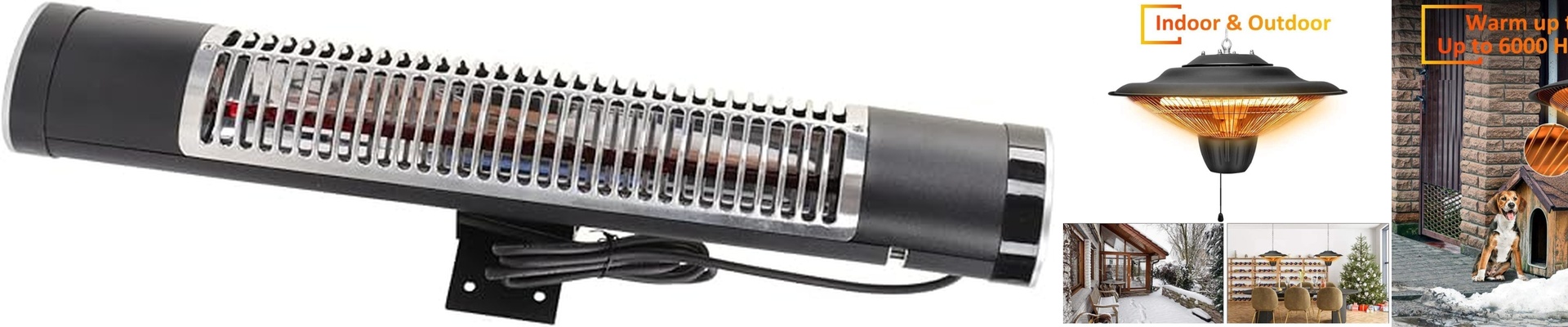
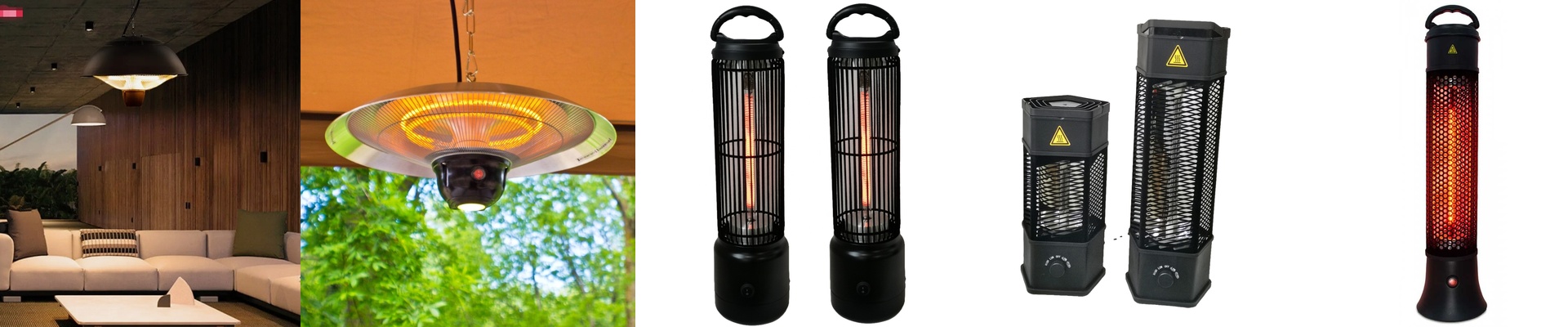

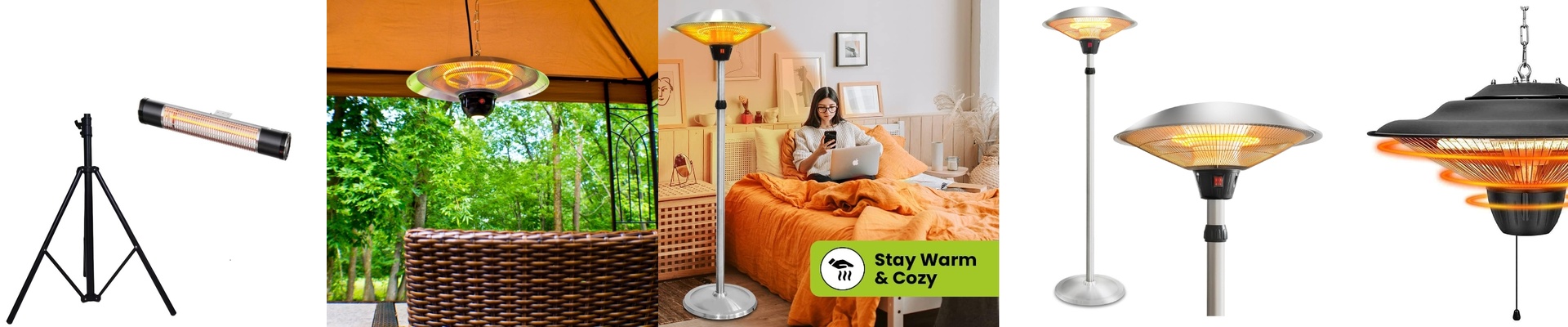

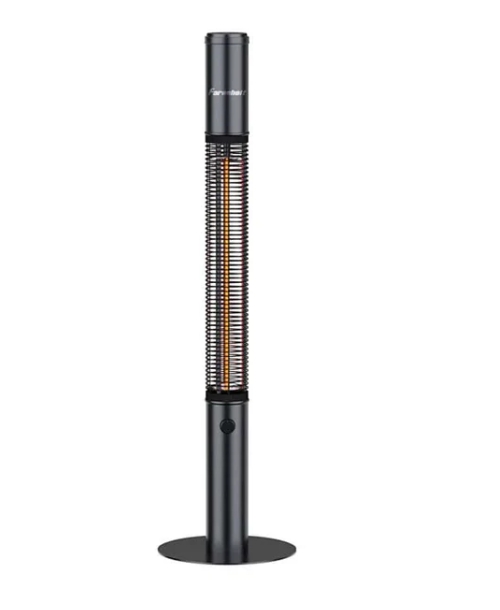
Energy prices keep climbing, and every degree on the thermostat starts to feel like a negotiation. You want warmth that wraps around you, not empty space, and you want it without watching the meter spin. That’s where an infrared WiFi space heater earns its keep—delivering targeted radiant heat where you need it, when you need it. What matters, technically Infrared warmth is direct. It heats people and objects, not the air, so comfort hits faster. Inside, a carbon fiber or quartz emitter turns electricity into gentle radiant heat with quick response and minimal draft. Add WiFi control and you can schedule heat, adjust output remotely, and set comfort presets from your phone. A built-in thermostat keeps the room from swinging too wide, and safety features—tip-over protection and overheat cutoff—give peace of mind. Specs shape real-world performance. Choose a model sized for the room, confirm it runs on a standard 120V outlet, and look for a quiet, fan-free design that keeps the heat focused. Why it works when the bills are the pressure point Efficiency is the answer. Infrared heat turns on fast, so you don’t overheat an empty room. Warm the living area while the rest of the house stays cooler, then use the WiFi schedule to match your routine. In practice, that means less wasted energy and a steadier monthly total. The comfort is immediate, too—no waiting for forced air to catch up. You get cozy warmth that feels natural, and the room stays comfortable without dry, circulating air. Things to know before you set it up Infrared heat is directional, so placement matters. Position the unit so the beam of warmth reaches your main seating area, and avoid blocking the path with furniture. For best results, use it as a primary heat source in smaller rooms or as a targeted supplement in larger spaces. And remember: WiFi performance depends on your home network. Keep the heater within strong signal range so remote control stays reliable.