
Dry air and swirling dust make winter miserable for anyone with allergies—and even trickier when pets are in the picture. Forced-air systems stir up particles, and the low humidity dries out skin and nasal passages. You want warmth that protects your indoor air, not fouls it.
What matters under the hood
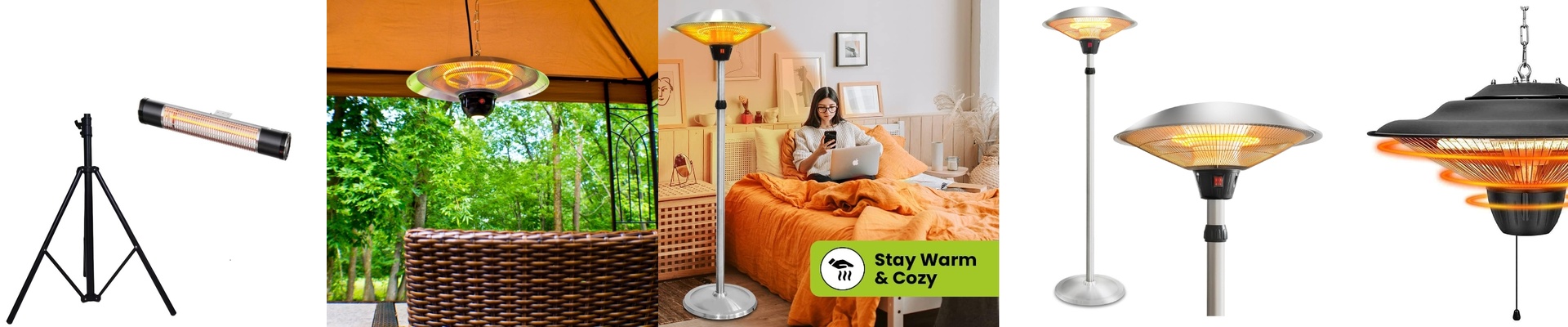
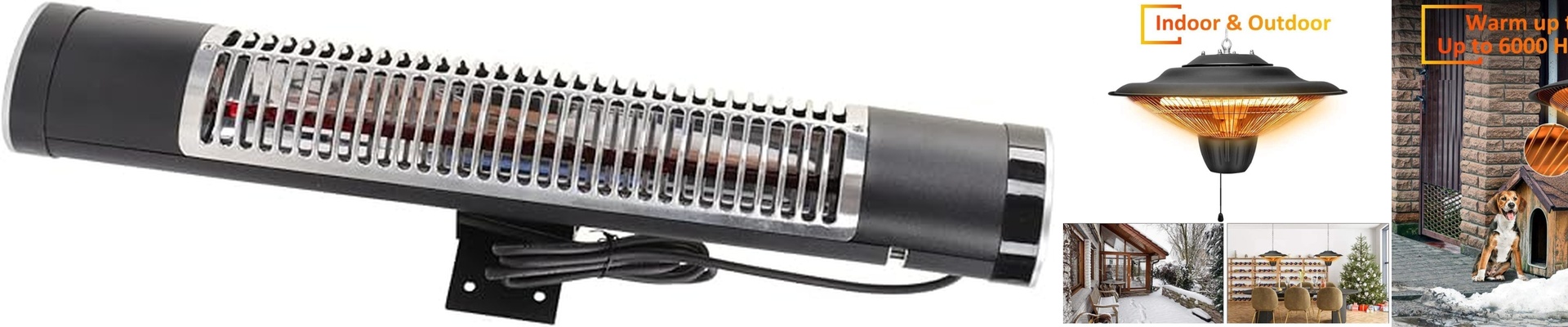
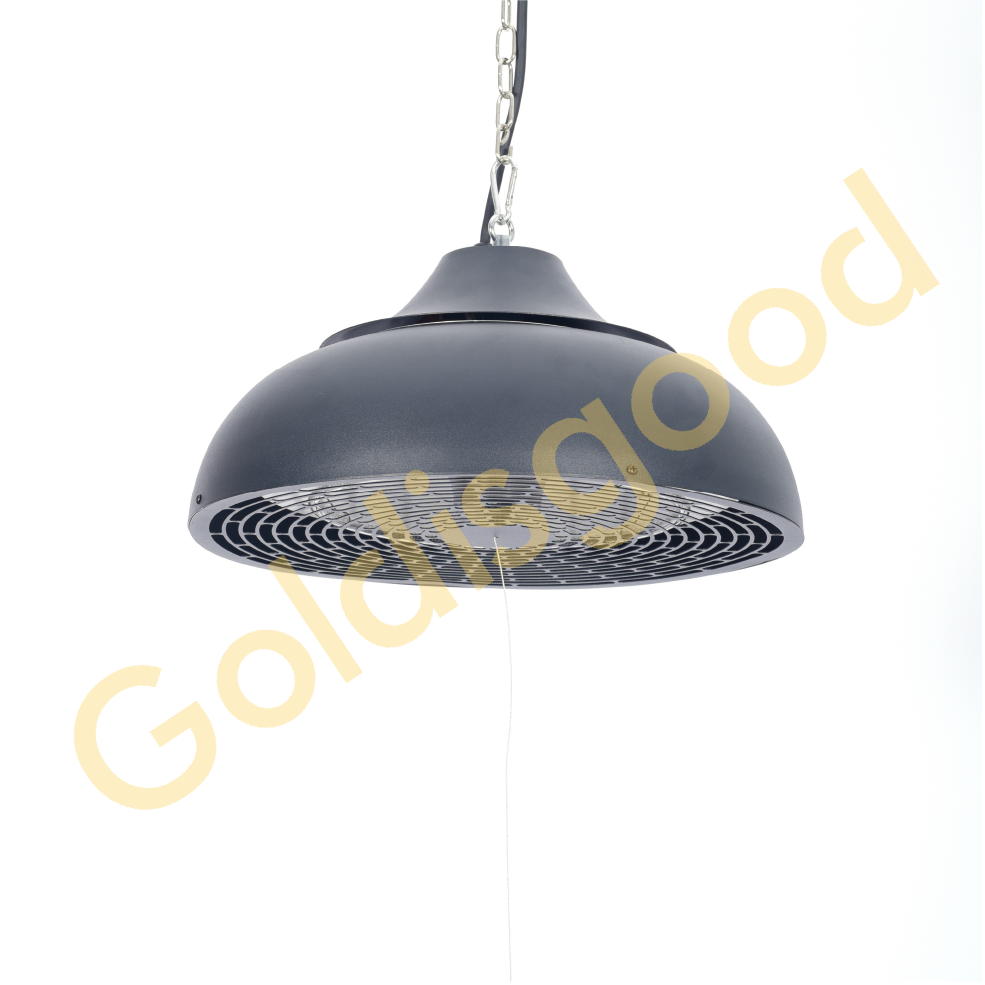
Infrared heaters deliver radiant warmth, heating people, surfaces, and pets directly—no blown air. In practice, that means no fan to kick dust around, no ductwork to harbor allergens, and no combustion gases inside the home. We build our units around a carbon fiber element that produces gentle, medium-wave infrared heat, paired with a sealed housing and a low-noise motor (when present) to keep operation quiet. The payoff is heat that feels natural, without the abrupt temperature swings that stir up irritants.
Why this works for allergy and pet homes
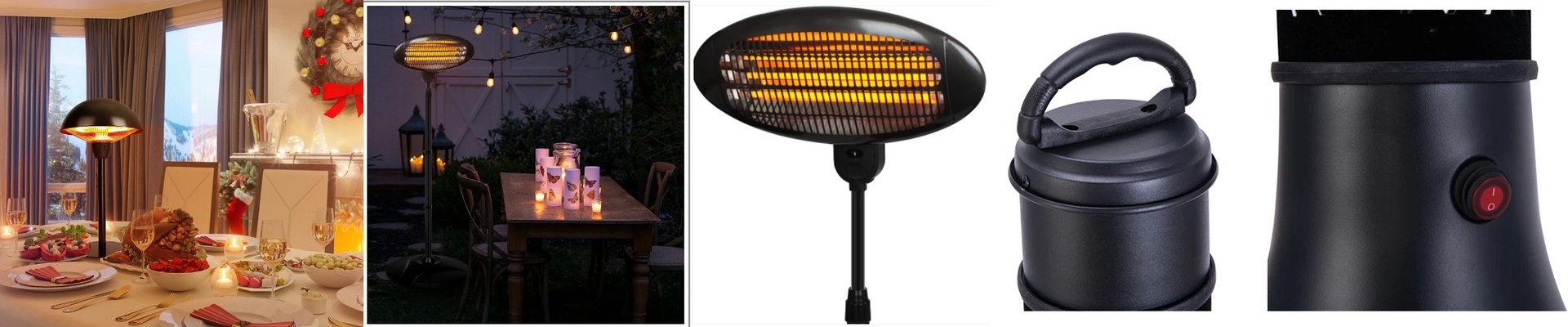
For allergy-prone households and pets, the comfort is immediate. Because the heat doesn’t aggressively circulate air, pollen, dander, and fine dust stay put. The warmth also doesn’t strip moisture from the room, so skin and eyes feel more comfortable. Pets get steady, draft-free warmth that doesn’t overheat their bedding or create hot spots. And with tip-over protection and a cool exterior, you get peace of mind wherever you place it—near a dog bed, beside a cat tree, or in the living room where everyone gathers.
What to keep in mind
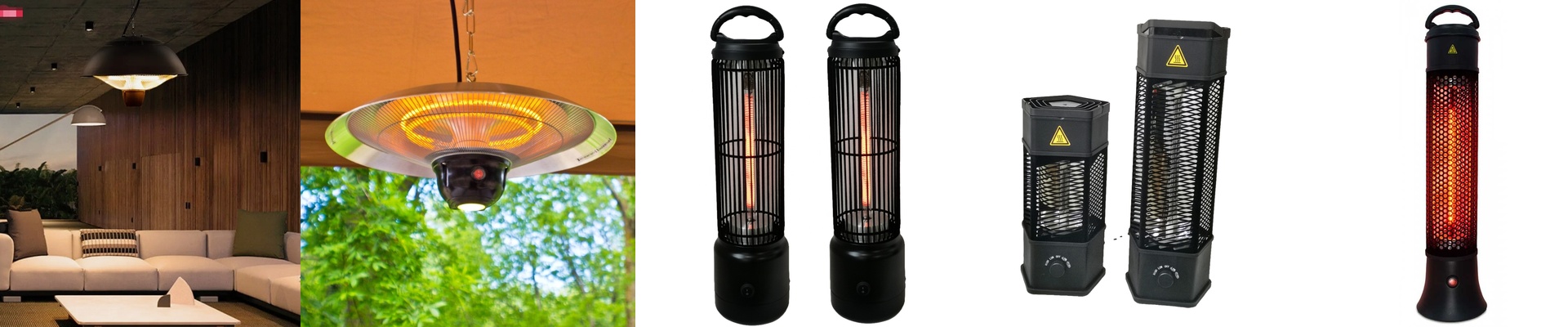
Infrared heating is directional, so it shines when aimed at the area you use most—seating, pet zones, or a reading corner. For whole-room comfort, pair it with gentle air movement instead of firing up a forced-air heater. Also, like any electric heater, keep the cord tidy and away from chewers, and match the unit’s wattage to your outlet and circuit load. Choose a model with a thermostat if you want consistent comfort without constant fiddling.