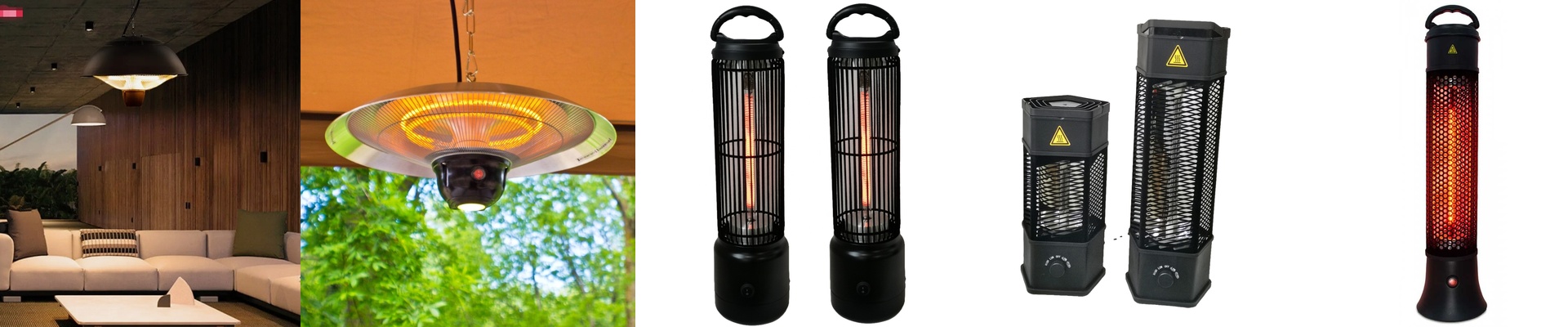
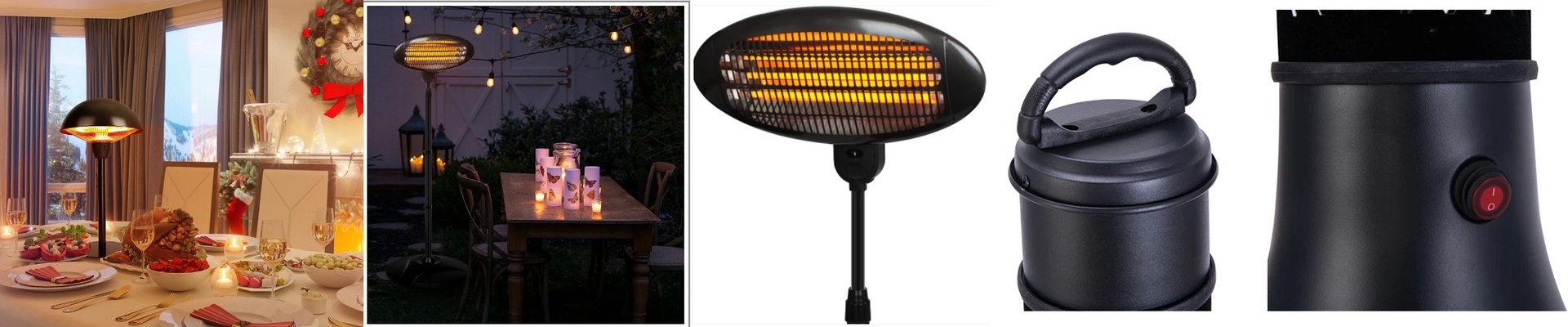
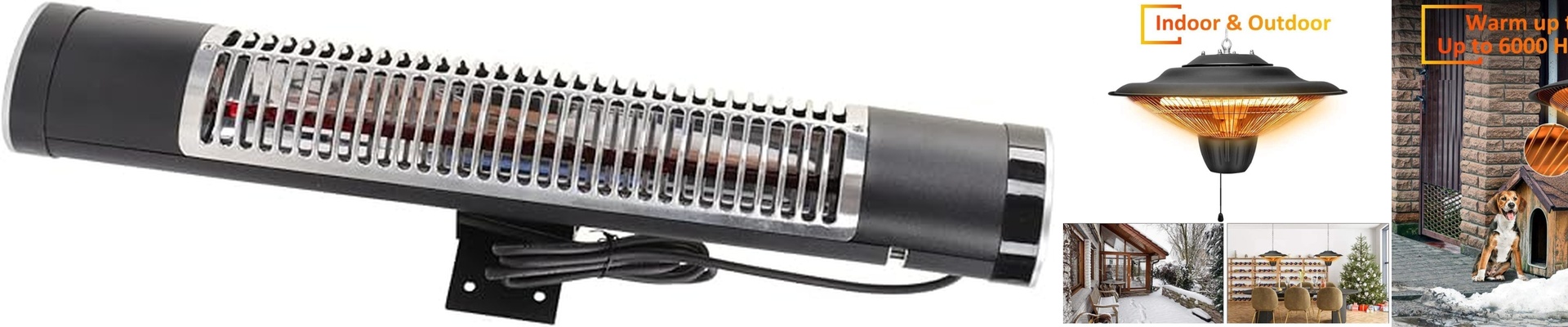
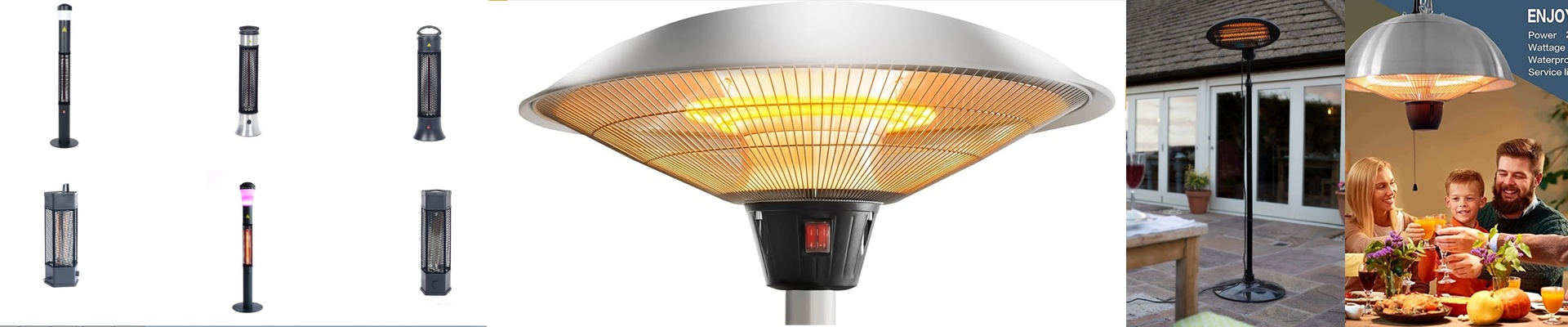
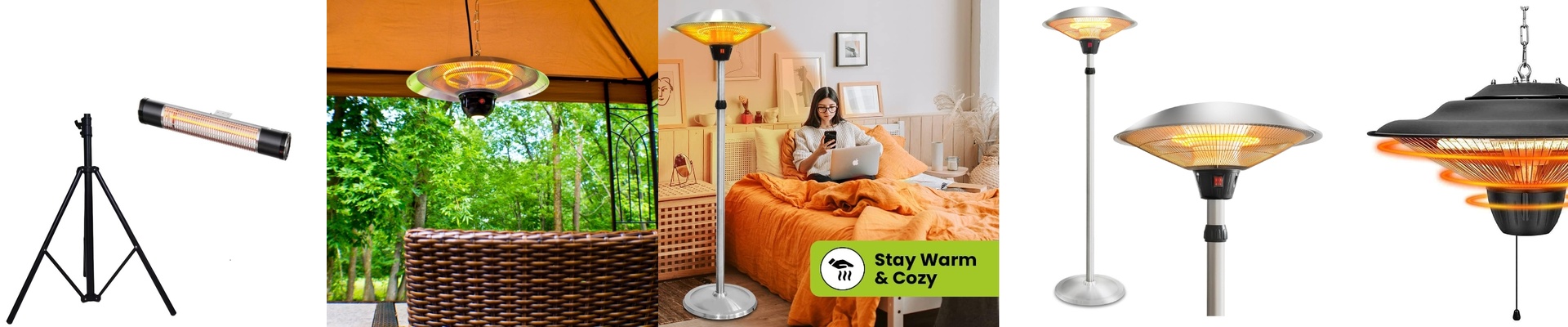
When the evening air starts to bite, you don’t want your commercial patio or workshop clearing out. People stick around when heat shows up fast and lands where they are—right where they stand and sit—not just somewhere up above. We don’t treat this as a simple supply job. We treat it like a practical heat plan, the same way an on-call infrared partner would: figure out the right coverage, put warmth where it matters, and keep the space usable.
What actually matters, technically
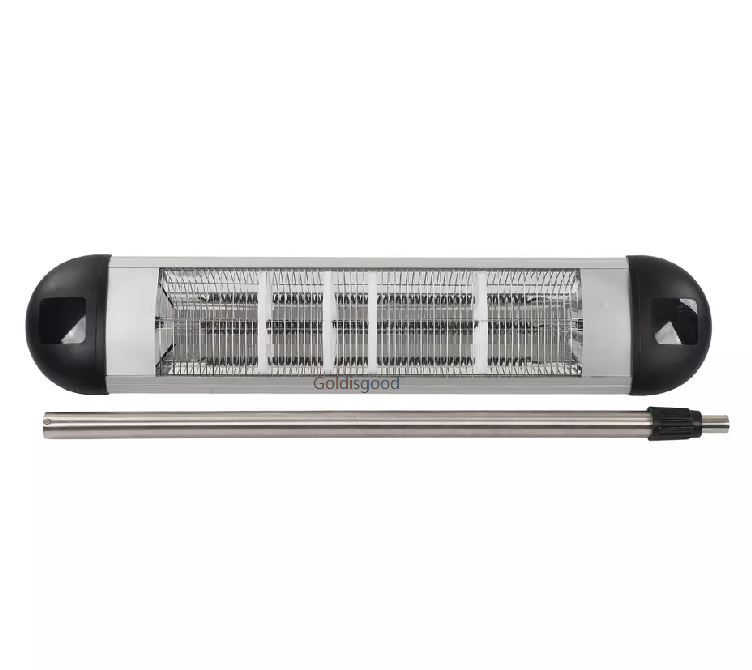
Halogen outdoor heaters deliver radiant heat using a high-efficiency halogen lamp inside a sealed quartz tube. That light hits a reflective surface and sends infrared warmth outward, heating people and solid surfaces directly. The payoff is targeted comfort with minimal air movement. Many units run off standard 230V circuits and put out around 1.5–2.0 kW, so you can match the heat to the size of the zone. A tough housing and sealed build help shield the element from wind and weather, and a tip-over switch cuts power if the heater gets knocked out of position.
Why this works in real-world commercial use
Comfort here isn’t just a feeling—it’s uptime. Halogen heat comes on quickly, so guests on a covered patio don’t bunch up by the door, and staff on a loading dock don’t slow down between trips. Because the warmth is directional, you can place the heater where people actually stand, sit, and move. You’re not trying to heat the whole volume of air. That focus can cut wasted energy while keeping the space functional longer. For partners, that means getting more value from the same footprint—turning underused outdoor areas into dependable revenue hours.
The things to get right up front
Halogen heaters do their best work in partially sheltered outdoor spots—under a roof or awning—where wind and rain won’t chew up their effectiveness. They’re designed to be hardwired for stable, high-current operation, so a dedicated circuit and professional installation matter. Clear clearances from combustible materials and solid mounting are non-negotiable. Hit those basics, and you get infrared warmth you can rely on—keeping people comfortable and your space working the way it should.