

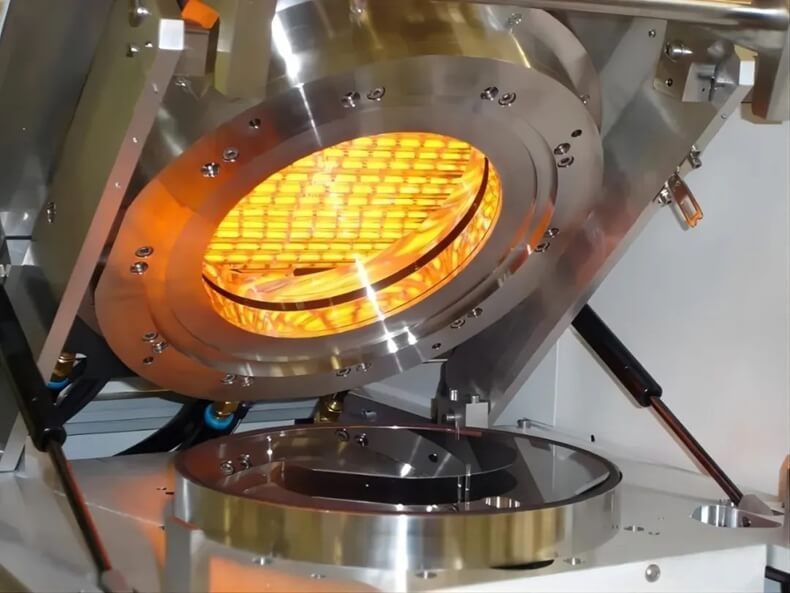
On the wafer floor, a photoresist bake isn’t just a temperature step—it’s a thermal contract. A 1°C drift in soft bake or hard bake will move critical dimensions and take line yield with it. We built the molybdenum-supported infrared lamp to hold that thermal line steady, cycle after cycle. What matters, technically The emitter runs short-wave infrared for fast, directional heating that stays inside the photoresist thermal budget. Molybdenum support structures keep high-temperature stability with low outgassing, so particle counts stay down even in Class 1–100 cleanrooms. The system targets wafer-level uniformity within ±0.1°C across the bake surface, and repeatability is spec’d to keep the setpoint locked in tight. Output stays stable over long runs—field units have racked up 5,000+ hours with less than 5% drop. Here’s why it works in practice: photoresist processing is where thermal control becomes yield control. This lamp keeps soft bake and hard bake profiles consistent, which cuts scumming, footing, and residual solvent swing. The payoff is fewer rework lots, less scrap, and CD performance you can count on through lithography. A stable temperature profile also helps you run tighter process windows, and the cleanroom-compatible build lowers contamination events that stop the line. A couple of things to keep in mind. Installation means matching the lamp footprint and electrical interface to the bake track or hot plate. The quartz envelope needs careful handling and shielding—easy to break if you’re not attentive during maintenance. Plan cleanroom-rated handling procedures, and double-check that your thermal budget and cycle time targets line up with the lamp’s ramp-rate limits.