
How to Actually Warm Up a Freezing Changing Area
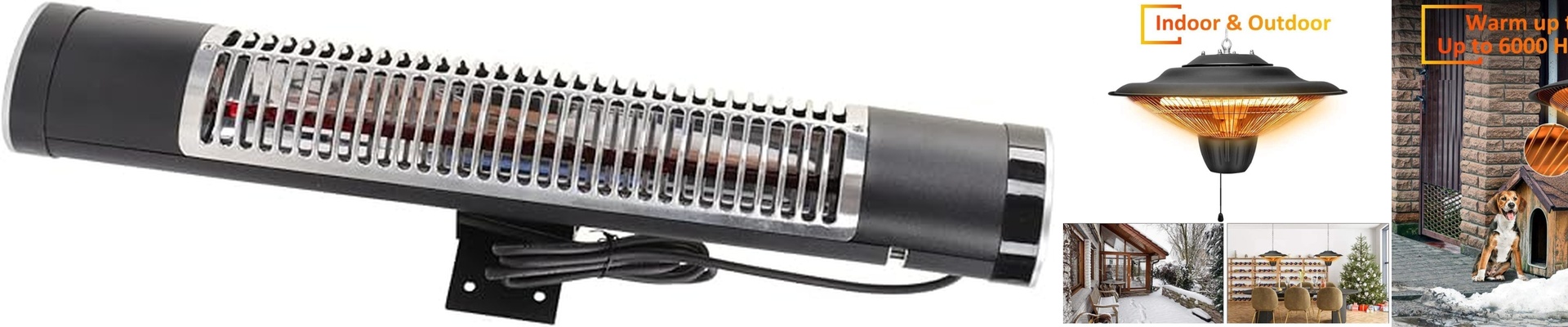
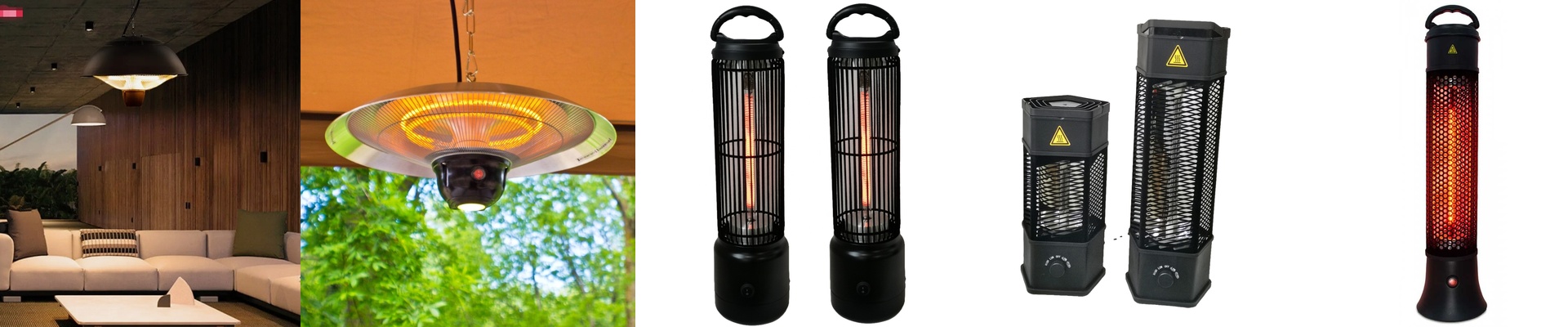
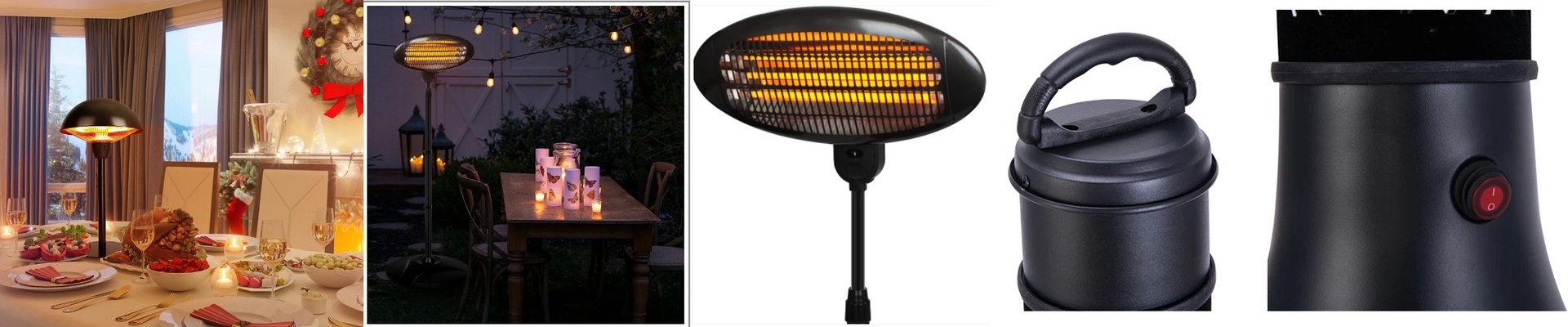
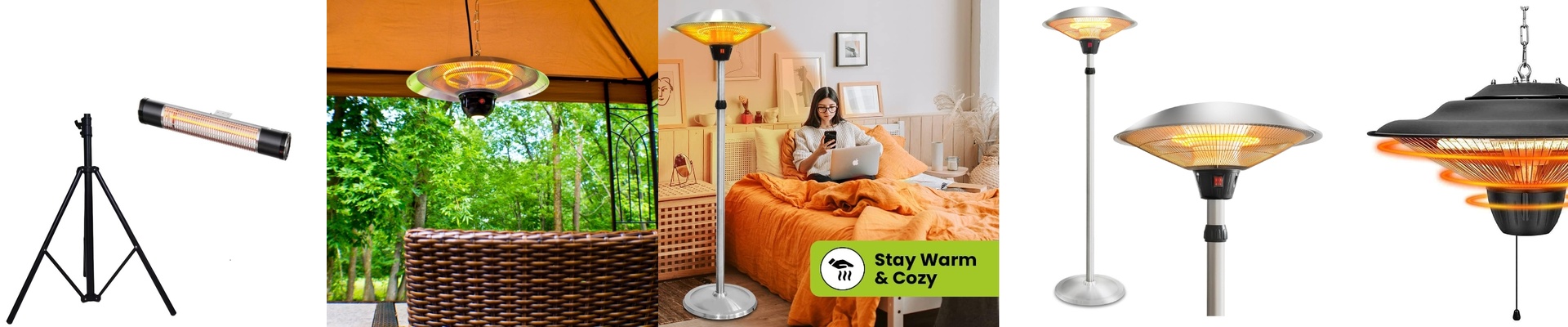
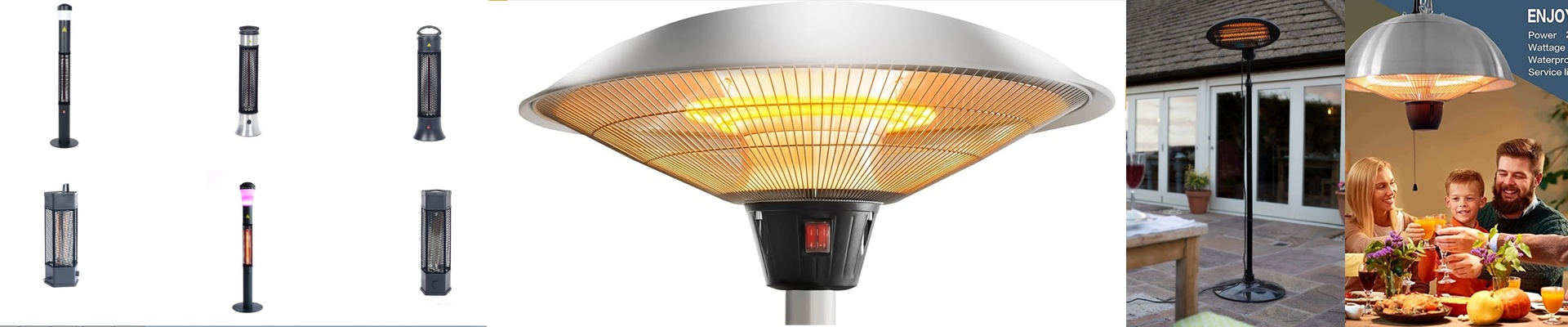
If you’ve ever tried to warm up a drafty changing room with a standard space heater, you know it’s a losing battle. You’re basically trying to heat the air, and air is terrible at holding onto heat—especially when there’s a breeze. That’s why we go with ceiling-mounted shortwave infrared (IR) heaters. Instead of fighting the air, these things just ignore it. They beam energy directly onto your skin and clothes. It’s the same feeling as stepping into the sunlight on a cold winter morning. You feel it instantly. Why it works so fast We use quartz halogen elements for this. Most heaters take forever to warm up the room, but shortwave IR is different. The second you flip the switch, the filament hits its peak temperature. No waiting around. No “warming up” period. Just immediate, intense heat. Getting the setup right When we’re installing these on a ceiling, we’re looking at two things: the angle of the beam and the power. You want a high-wattage array so there aren’t any “cold spots” on the floor. But here’s the catch: ceiling height matters. A lot. If you have a 4-meter ceiling and you use a low-wattage unit, you’re going to be disappointed. By the time the heat reaches the floor, it’s lost its punch. You have to bump up the wattage to make sure it actually feels warm when you’re standing down there. The trade-offs (and how to handle them) These units are tough, but they have a weakness: dust. The reflectors are polished aluminum, and if they get coated in a layer of grime, your efficiency tanks. It’s a simple fix, though. Just keep them clean so the beam stays focused where it needs to be. One more thing to keep in mind: IR is “line-of-sight.” If you put a tall locker or a wall right under the heater, you’ve just created a shadow. Anyone standing in that shadow is going to stay freezing. When you’re planning the layout, just make sure the path from the heater to the person is clear. No blocks, no shadows, just heat.