Why we’re ditching hot air for Infrared in semiconductor processing
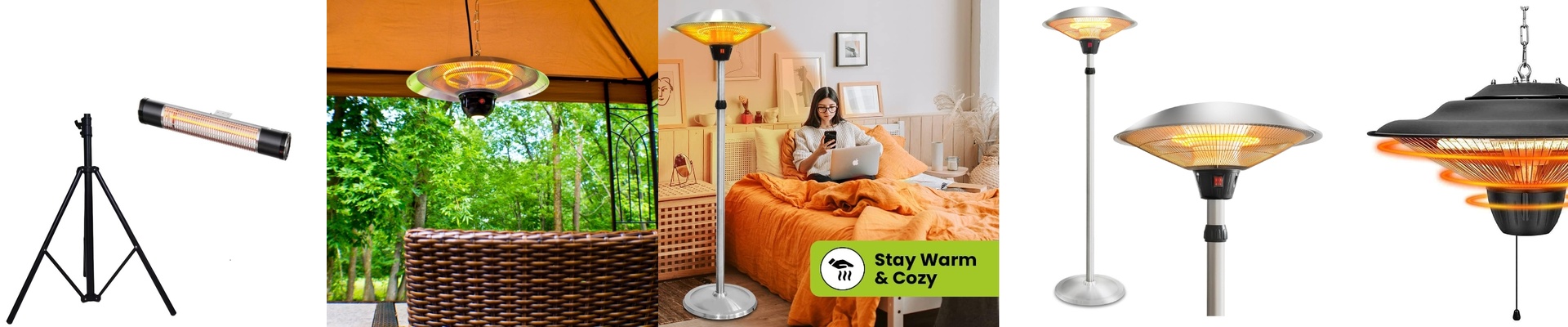
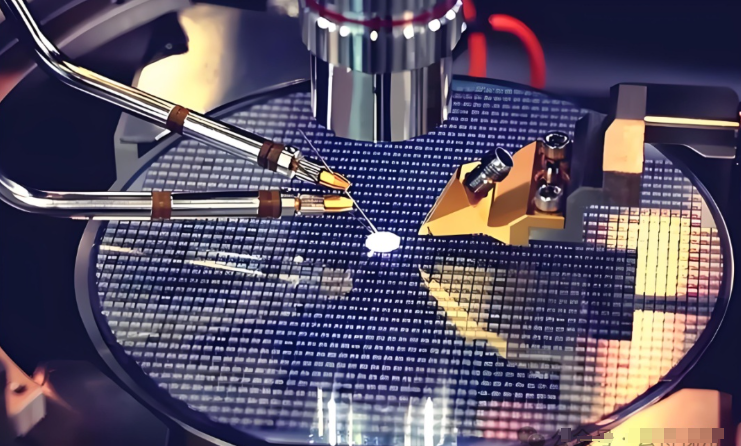
If you’re still relying on hot air circulation for your thermal cycles, you’re probably spending way too much time just… waiting. In semiconductor deep processing, that wait time is a killer. It’s the bottleneck that slows everything down. Switching to infrared (IR) heating isn’t about buying a fancy new piece of gear. It’s about getting your time back. The problem with air Think about how hot air works. You heat the air, and then the air has to heat your substrate. It’s a middleman. And middle-men are slow. IR is different. It uses electromagnetic radiation to hit the target material directly. No middleman. No waiting for the air to warm up. In the systems we build, we usually see ramp-up speeds 5 to 10 times faster than those old forced-air setups. It’s fast. Really fast. Building the box Now, you can’t just throw an IR heater in a cardboard box and call it a day. Especially not in a cleanroom. We build our heater shells out of high-grade stainless steel. This keeps things clean—no outgassing, no corrosion. But here’s the secret: the housing is actually a mirror. We obsess over the internal geometry to make sure every stray photon bounces right back onto the workpiece. If the angle is off by even a few degrees, you’re just wasting power and losing heat. The catch (and how to handle it) Here’s the thing: IR hits hard and fast. You can’t just swap it into an old air-loop system and expect it to work perfectly. If your material can’t handle a sudden spike in temperature, it might crack. To stop that from happening, we use a PID controller to program a stepped power curve. It’s like a dimmer switch—we ease the heat in so the material doesn’t go into shock. What this actually does for your floor When you stop worrying about air volume and start focusing on radiative energy, two things happen. First, your pre-heat and soak times plummet. That means you’re pushing way more units per hour. Second, your equipment gets smaller. Since you don’t need massive air-circulation chambers, the whole station shrinks. You get more throughput without needing to move your walls or rent more warehouse space.