Why You Actually Need Explosion-Proof Quartz Tubes in Your Bathroom
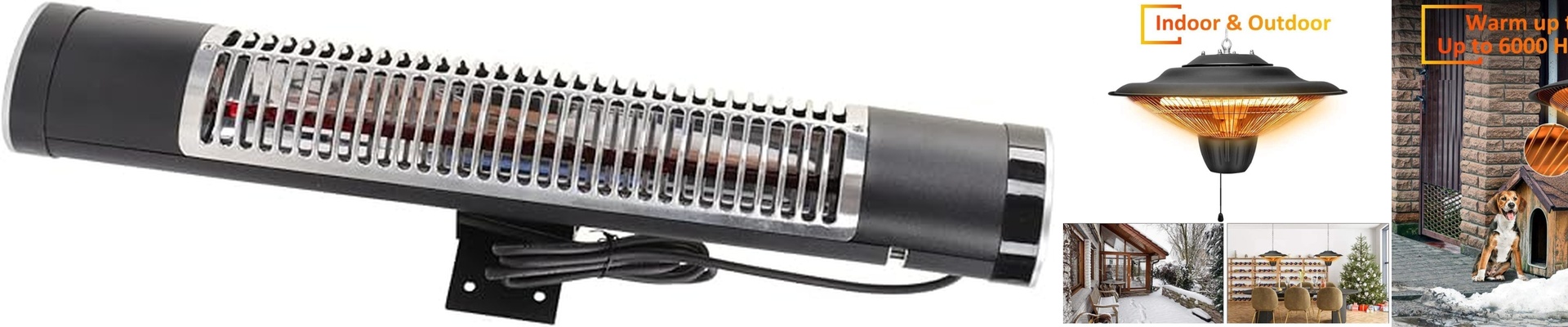
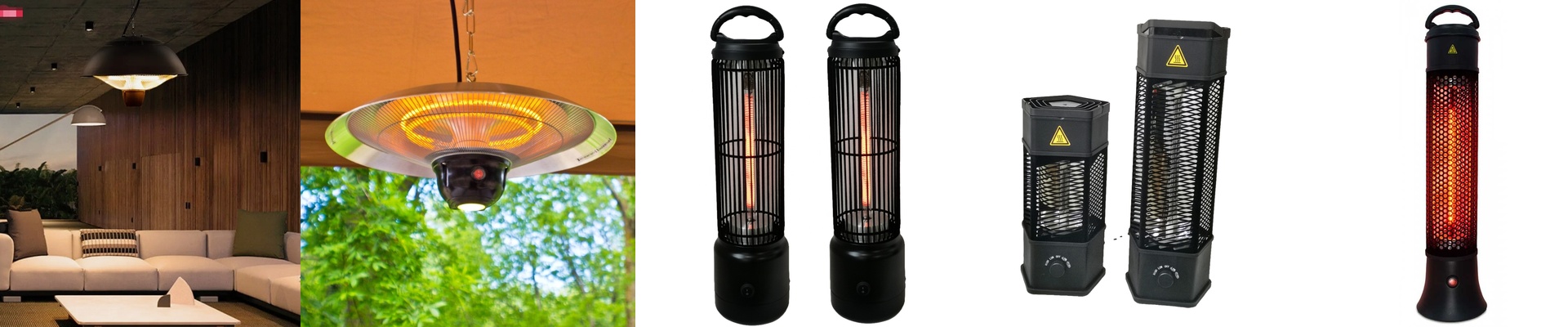
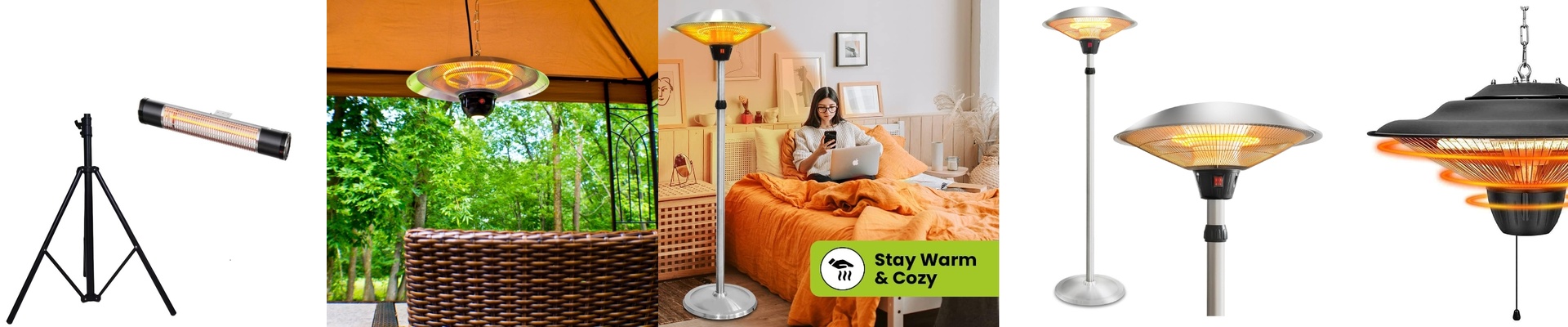
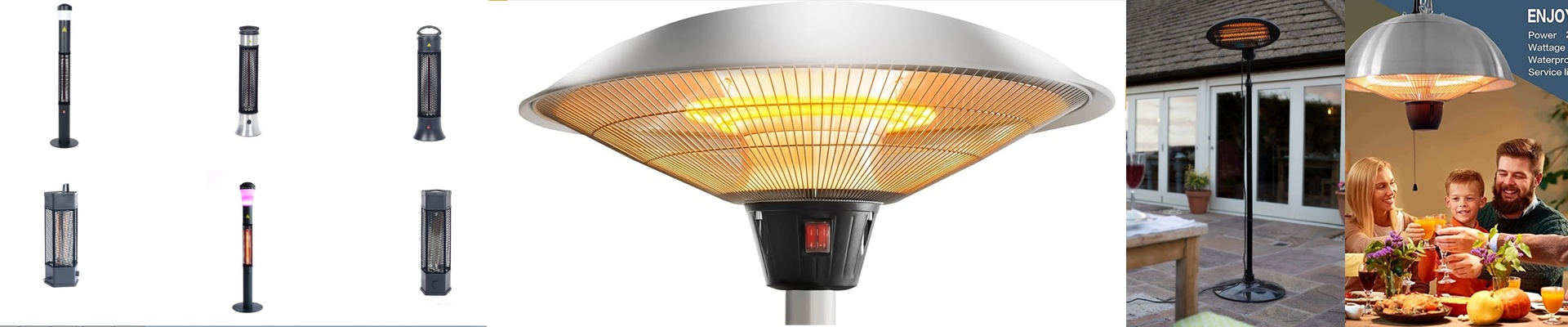
Think about your bathroom on a cold morning. Steam everywhere. Water droplets clinging to every surface. Now, imagine a heating element glowing at several hundred degrees. When a stray drop of cold water hits that scorching hot glass, it doesn’t just sizzle. It creates what we call “thermal shock.” For a regular quartz tube, that’s a disaster. The glass can shatter in a heartbeat. That’s why we use explosion-proof tubes. It’s about making sure a little bit of humidity doesn’t turn into a safety nightmare. The secret is in the containment. Standard quartz is great with heat, but it hates sudden changes. Our explosion-proof versions use a special blend of materials or a protective outer sleeve. Here is the real benefit: if the inner glass does crack, the fragments stay put. They don’t fly across the room. You aren’t just putting in a heater; you’re putting in a safety net. Heat that actually hits you We design these lamps to emit short-wave infrared. In plain English? The heat cuts right through the steam and air to warm your skin directly. You don’t have to wait for the whole room to heat up to feel the glow. To make this work, the quartz has to be incredibly pure. If it isn’t, the tungsten filament inside burns out way too fast. Now, there is a small trade-off. That protective safety layer blocks a tiny bit of the infrared light—maybe 5% to 10%. But honestly? I’d take a slightly less intense heat over a shattered tube any day. A few tips for the install When you’re wiring these up, give the unit some breathing room. These things get hot. If the airflow is blocked, you might find your plastic or metal housing starting to warp. Most of these use standard connectors, so swapping them out is pretty painless. Just do me a favor:double-check your voltage. If you plug a 220V tube into a higher circuit, it’ll pop in minutes. It’s a quick fix, but a frustrating one. Keep it simple, check the label, and you’re good to go.