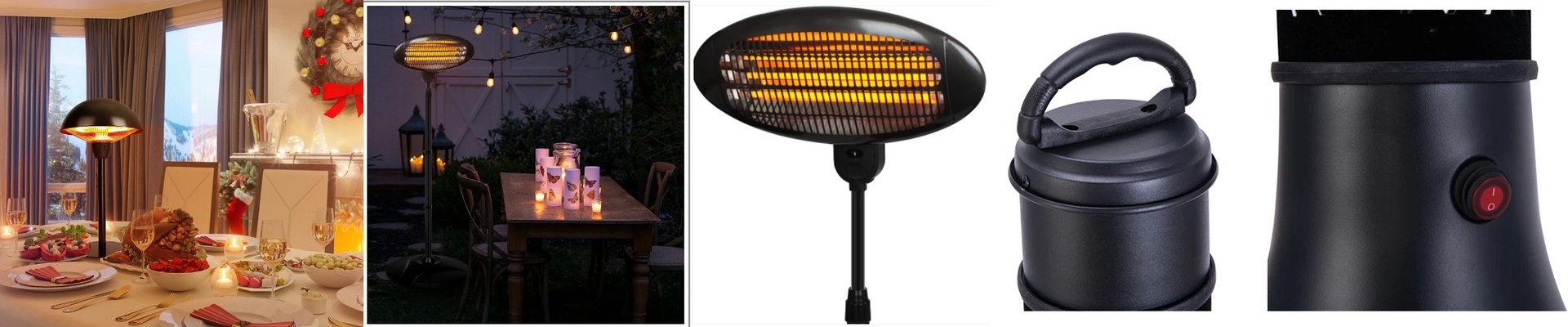
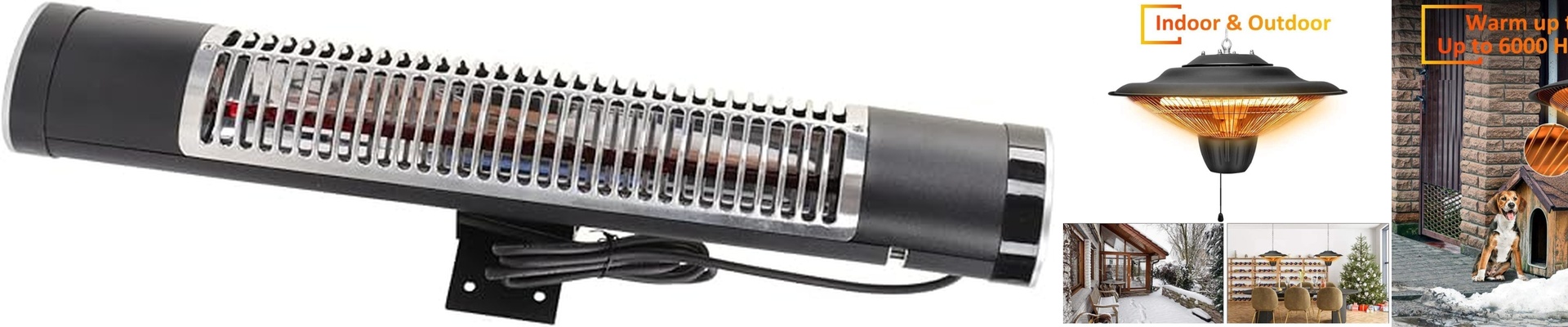

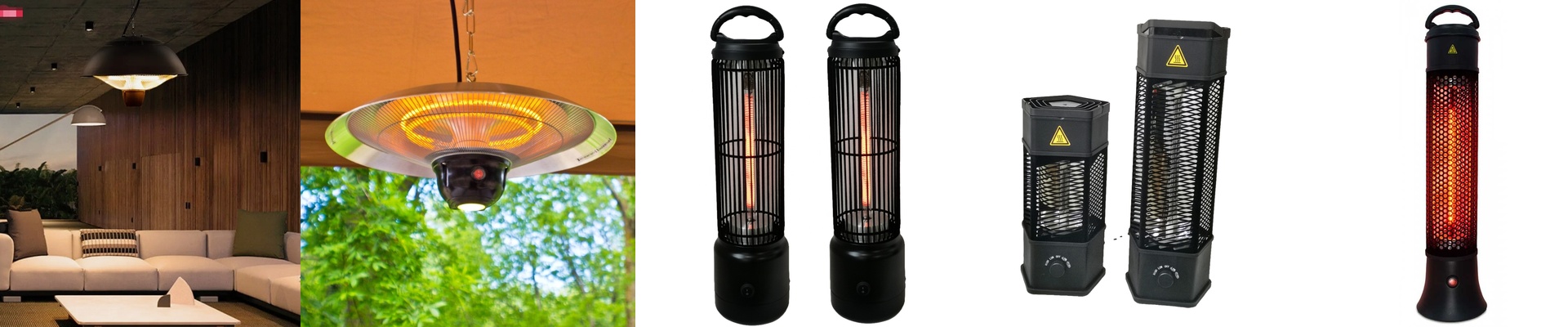
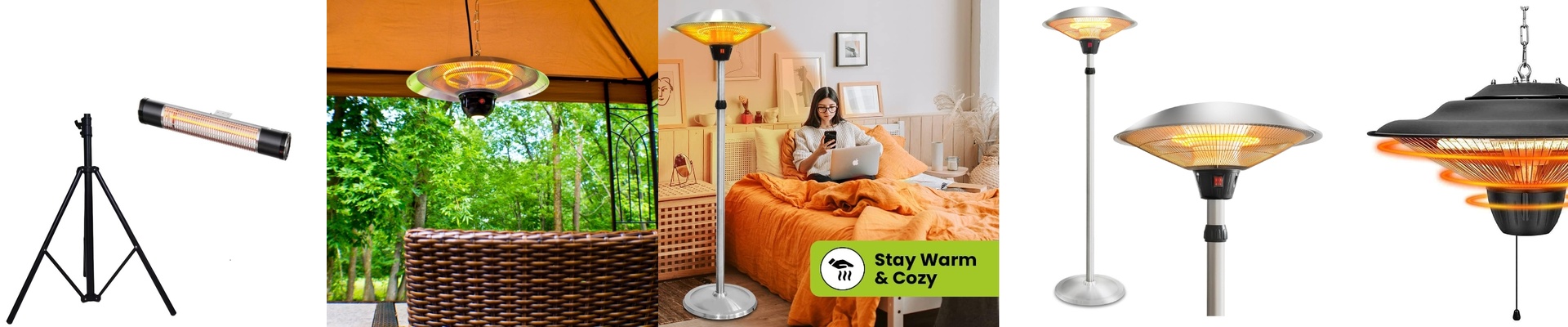
Keeping Your Bathroom IR Heaters Safe (and Dry)
Let’s be honest: putting an electrical heater in a bathroom is a bit like inviting a disaster if you don’t do it right. You’ve got steam, splashes, and constant humidity. If the insulation slips up even a little, you get leakage currents. In a room full of water, that’s a nightmare scenario. The goal is simple: keep the electricity where it belongs and the water far away from it.
Choosing the Right Stuff
Here is the thing about heat. Standard plastics are great until they get hot—then they warp or just melt away. That’s why we use high-grade ceramics at the lamp ends. Ceramics don’t flinch under the heat of a shortwave lamp; they just stay put and keep the current blocked. We also use reinforced quartz glass. It’s tough. It can handle that weird shock of a freezing cold bathroom suddenly turning into a sauna without cracking. And then there’s the shell. We use powder-coated aluminum that basically acts as a shield. If a wire frays or something goes wrong inside, the current hits the ground wire instantly. It trips the breaker before you even realize there was a problem. It’s all about that peace of mind.
Plugging the Leaks
Most heaters fail at the connection points. It’s where the power lead meets the heating element. Moisture loves to creep into those terminals, causing rust or “tracking” (where electricity finds a path it shouldn’t). You can’t just slap some electrical tape on it and call it a day. That won’t hold. Instead, we use IP-rated gaskets and heat-shrink tubing with adhesive linings. It basically shrink-wraps the connection in a waterproof cocoon. Plus, we use silicone potting compounds for the terminal blocks. This stuff pushes out air and water, making sure the electrical path stays totally isolated.
The Balancing Act
Now, here’s the tricky part. If you seal a unit too tightly to keep the water out, you trap the heat inside. If the internal electronics can’t breathe, they’ll overheat and fry themselves. It’s a bit of a tug-of-war between keeping it waterproof and letting it cool down. We solve this by designing vents that let the hot air escape but use “drip loops” for the cables. These loops make sure that any water running down the wire just drips off onto the floor instead of sliding straight into the circuitry. Simple, but it works.