Heat without the blinding glare: The trick to safe bathroom heaters
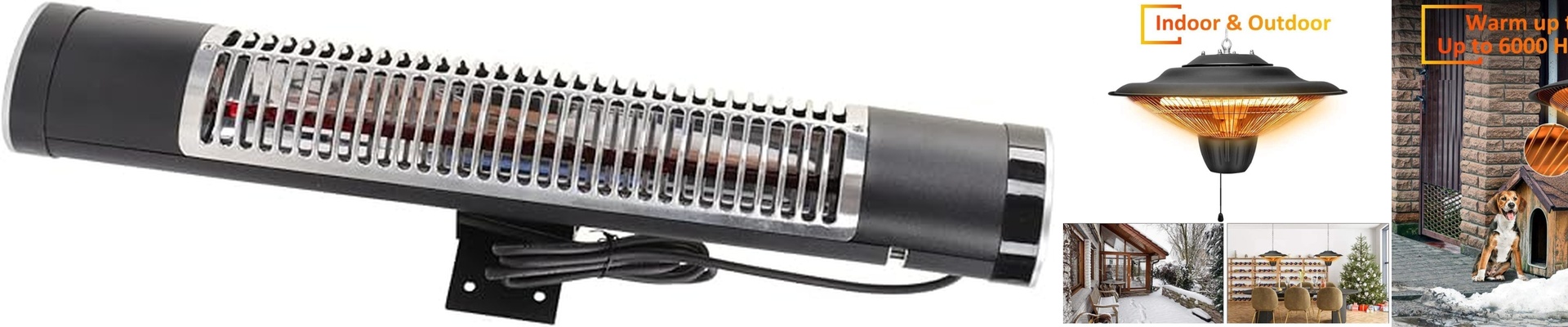
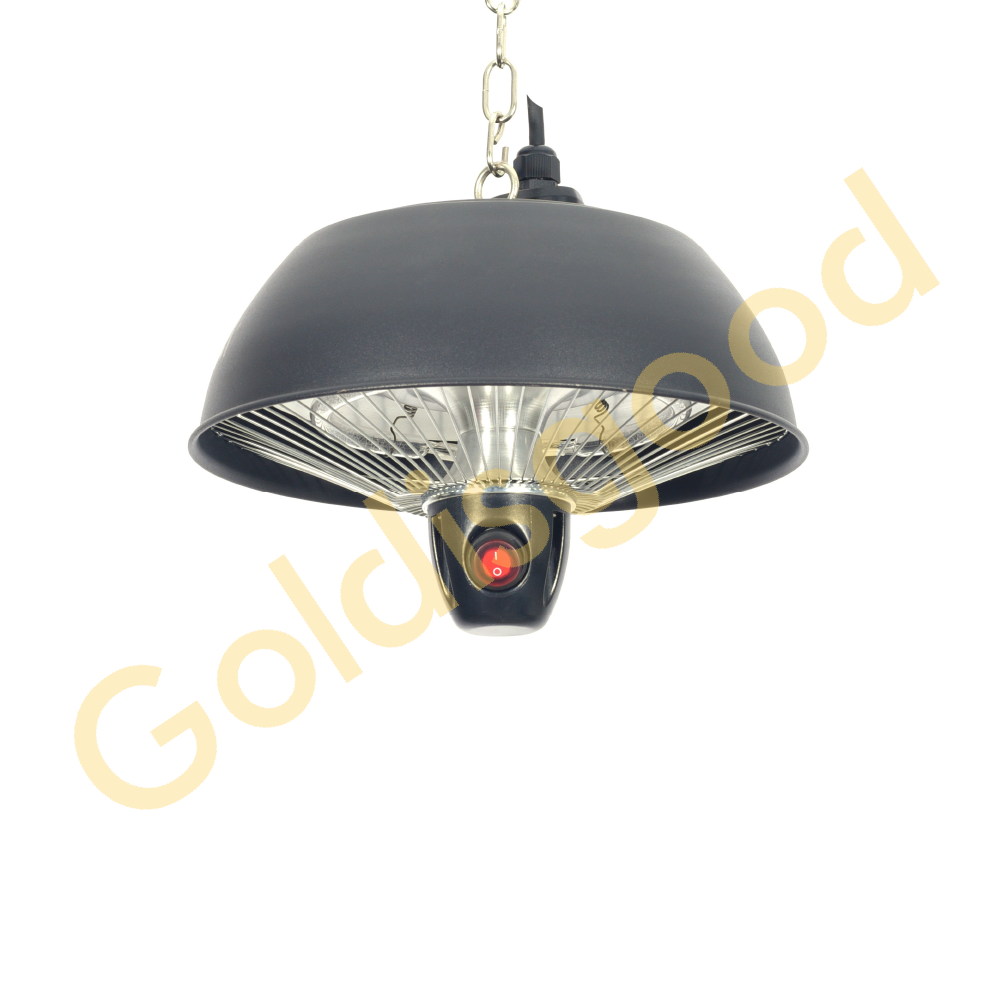
Building a bathroom heater is about way more than just making sure it doesn’t short out when it gets wet. Think about it. You’re putting a high-powered infrared lamp in a room where kids and babies are hanging out. The last thing you want is a light so intense it actually hurts someone’s eyes. The eye safety problem Standard short-wave lamps are brutal. They put out this blinding, harsh white light that can actually damage your retinas if you aren’t careful. To fix this, we use a special filter or a doped quartz envelope. It basically shifts the light peak. It knocks out that aggressive glare and the UV stuff that makes you squint, while keeping all the warmth. You still feel that cozy heat on your skin, but the light stays soft. This isn’t about making it look “pretty”—it’s about making sure it’s safe to look at. Keeping the water out (and the heat moving) We all know water and electricity are a bad mix. That’s why we use IP65-rated housings to block out steam and splashes. But here’s the catch: when you seal a unit that tight, you trap the heat inside. If you aren’t careful, the internals will just cook themselves. To stop that, we use high-temp silicone gaskets and aluminum heat sinks to let the unit breathe. Without a good way for the heat to escape, the wiring would just degrade and fail. The real-world trade-off These are usually designed to drop right into where a standard bathroom fixture would go. We even use reinforced connectors because quartz tubes expand and shrink as they heat up, and you don’t want your connections loosening over time. One thing to keep in mind: because we’re filtering the light to protect your eyes, the lamp isn’t going to be as bright as a standard halogen bulb. It’s a trade-off. You lose some brightness, but you gain peace of mind. If you absolutely need the room to be bright while it’s warm, your best bet is to just add a separate LED circuit.