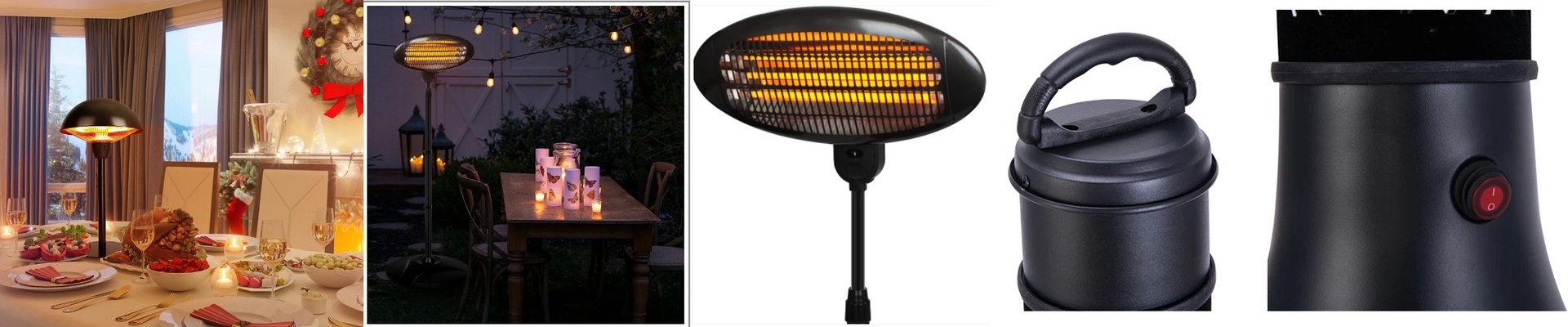
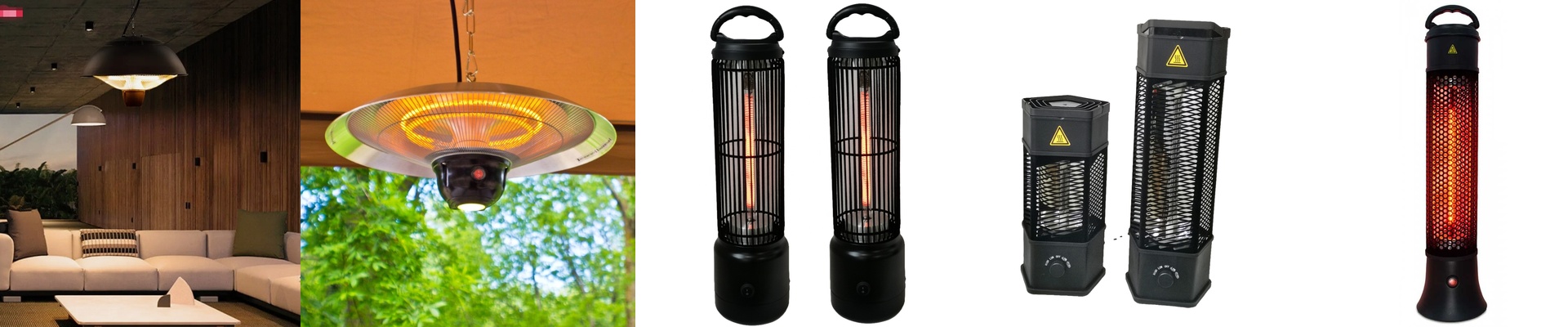
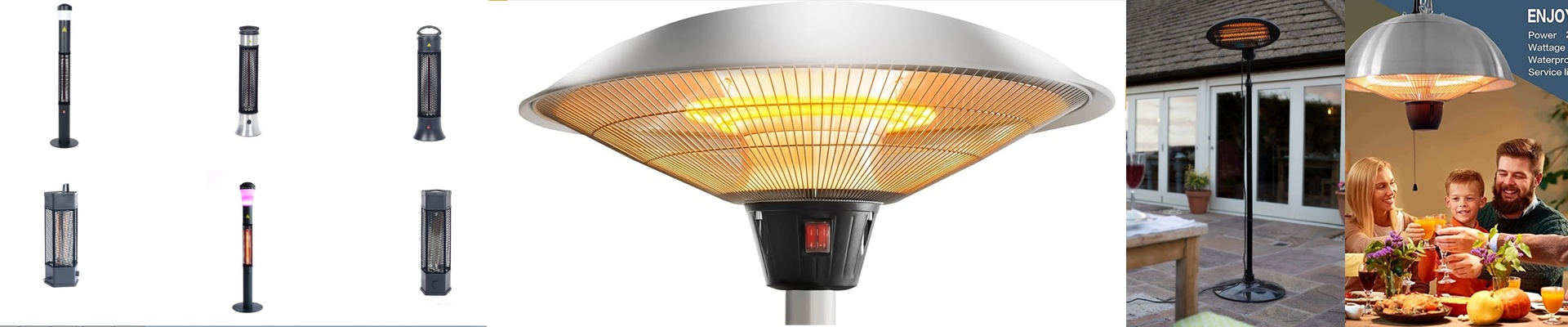
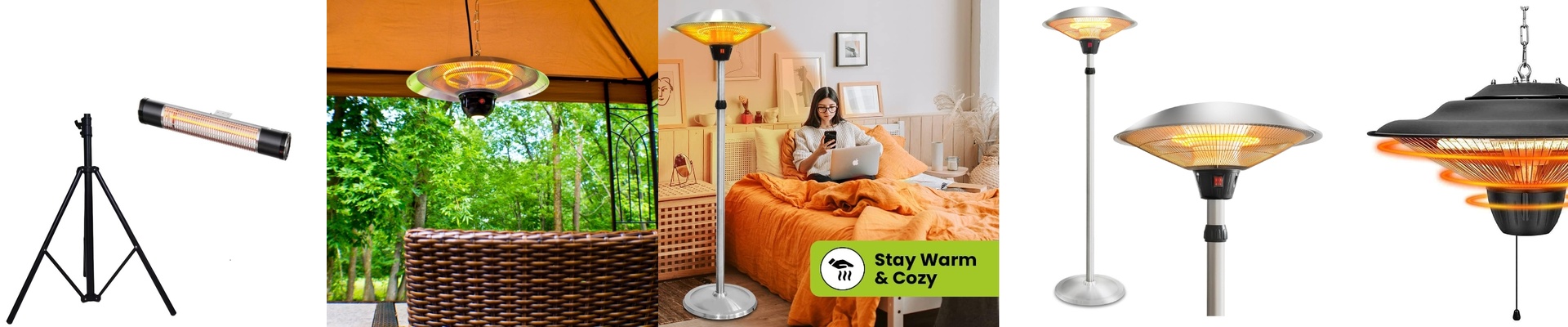
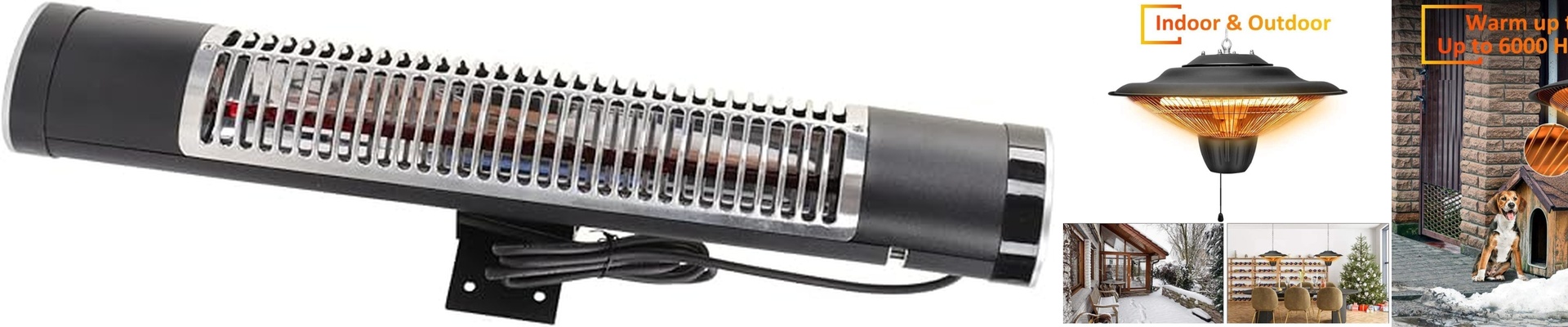
Getting Your Bathroom Heater Wattage Just Right
When you’re picking out those waterproof infrared heaters for a bathroom, it’s easy to think “the more power, the better.” But that’s a trap. If you cram a massive, high-wattage lamp into a tiny room, you’re just going to overheat the whole thing and trip the safety switch. It’s all about balance.
Finding the Sweet Spot
Think of it like this: you want to feel the warmth the second you step out of the shower, but you don’t want to feel like you’re standing inside a toaster. For a small powder room, something between 250W and 400W usually does the trick. It hits your skin instantly without making the air feel thick and stifling. Now, if you’re dealing with a big master bath, you’ll need more muscle—probably 600W or 800W—to actually feel the difference. Here is the catch: if you go too low, the heater has to run forever to get the room warm. That’s a waste of electricity and it wears out your equipment. But go too high? You get those annoying “hot spots” where one part of the room feels scorching while your toes are still freezing.
The Deal with Waterproofing
Since we’re talking about bathrooms, you need IP65-rated seals. Steam and splashes are the fastest way to kill your electronics. But there’s a trade-off. Those seals that keep the water out also keep the heat in. If you’ve got a high-wattage lamp tucked into a tight, sealed box with no room to breathe, the wiring can actually fry. That’s why I always suggest using aluminum heat sinks for anything over 600W. It keeps the housing from becoming a burn hazard and makes the whole thing last way longer.
Making it Smart (and Cheap to Run)
The best way to handle this is to hook the heater up to a timer or a humidity sensor. Keep in mind that infrared is different from a space heater. It doesn’t bother heating up the air; it heats you. When you match the wattage perfectly to your room size, the heat kicks in fast. It keeps your power bill lean and means you won’t be running to the breaker box every time the heat turns on.