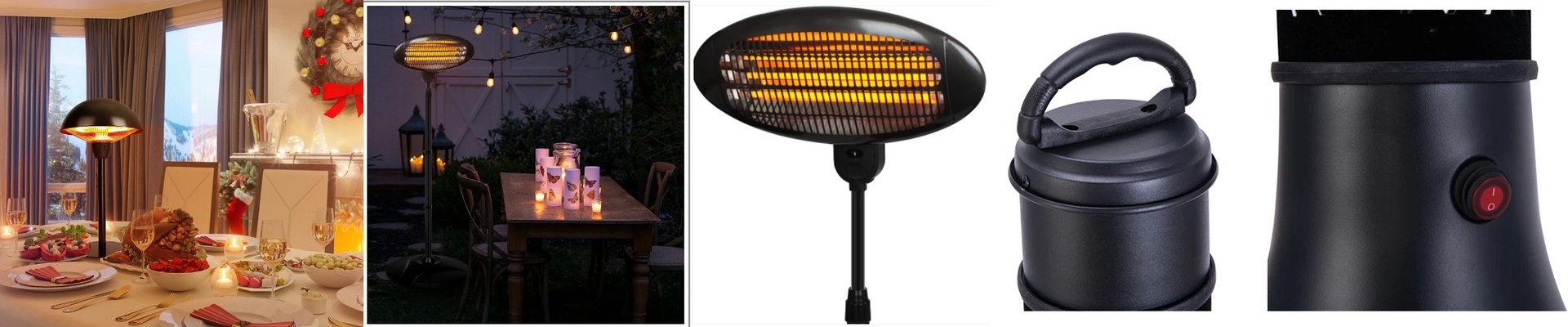
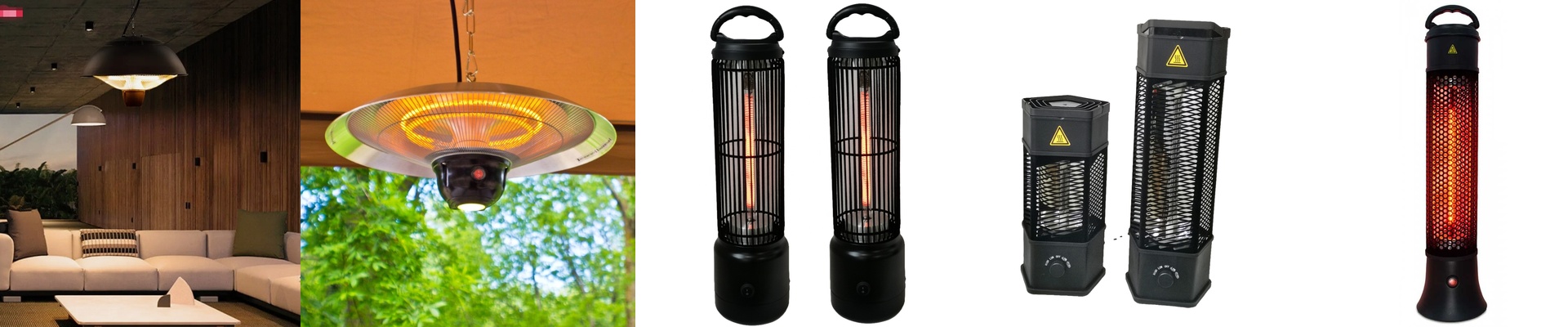
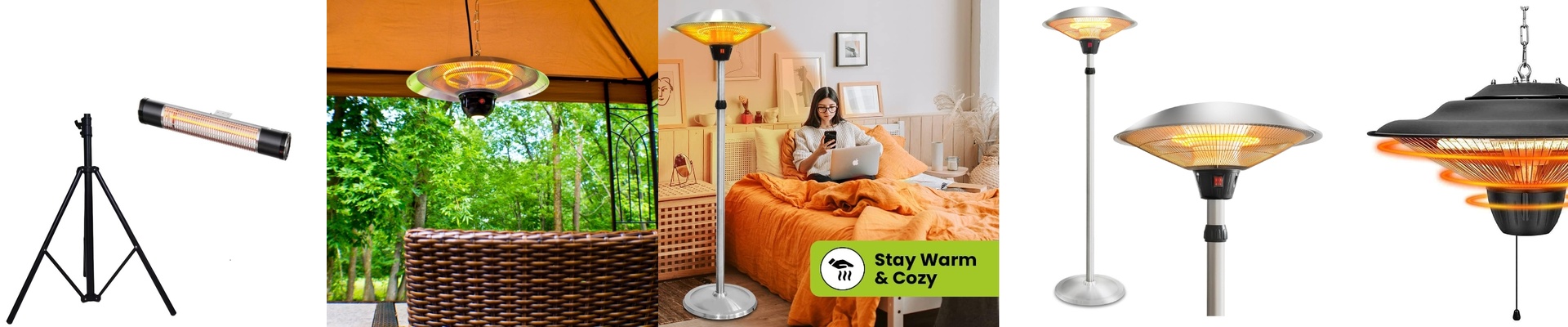
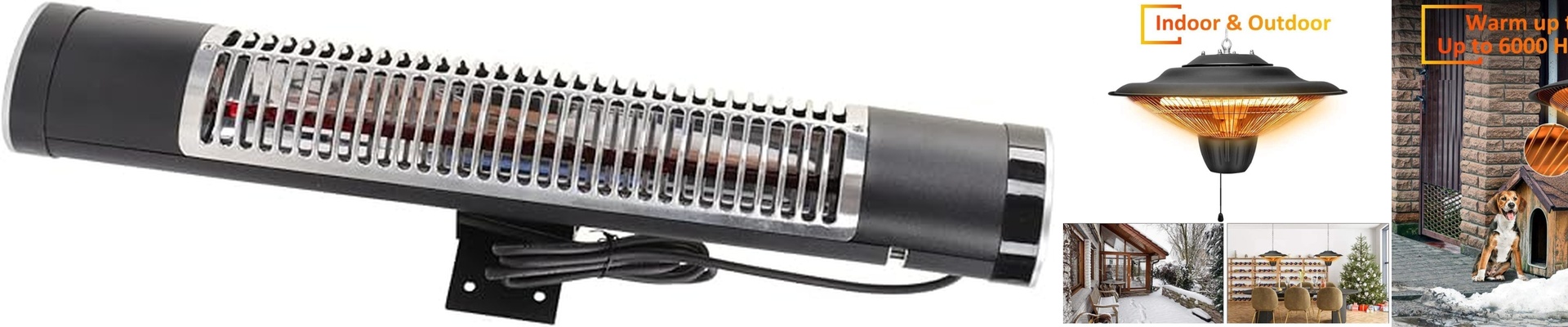
Keeping People Warm When Things Get Messy
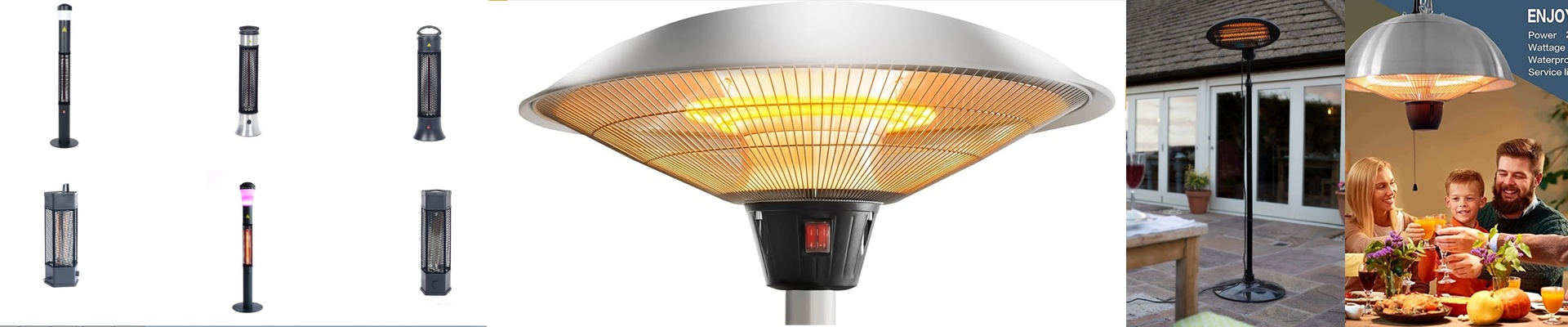
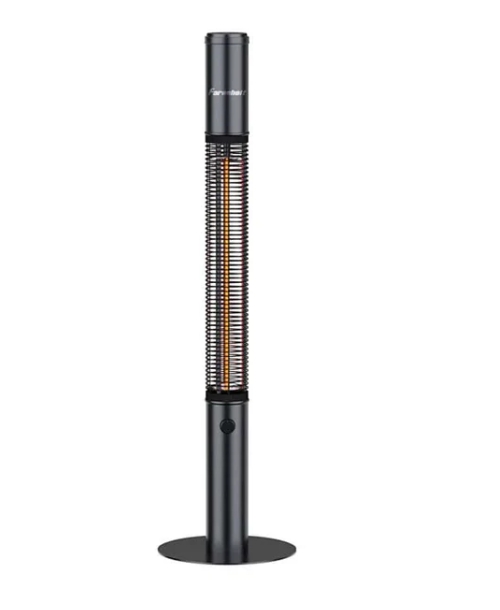
If you’re picking out heaters for a nightclub patio or a high-end changing room, you’re dealing with more than just a chill in the air. You’ve got wind blowing through, humidity creeping in, and the inevitable accidental splash. Standard heaters usually lose the battle here because they try to warm up the air, which just drifts away the second a breeze hits. That’s why we go with shortwave infrared. Instead of fighting the wind, it just ignores the air entirely. It goes straight for the target—your guests and the surfaces around them. It’s instant. Why it feels different Shortwave emitters run hotter than the longwave stuff. This lets us pack a ton of power into a tiny space. The second you flip the switch, the energy moves at the speed of light. There’s no waiting around for a coil to glow or a fan to kick in. You step into a freezing dressing room, hit the button, and you’re warm. Just like that. Dealing with water and heat stress For the outdoor stuff, we build everything to IP65 standards. In plain English? Dust stays out and water jets don’t get in. We use tempered glass and quartz tubes because they can handle a beating, especially when the temperature swings wildly from hour to hour. But here’s the tricky part: metal moves. When these lamps cycle on and off, the housings expand and contract. If your seals aren’t designed for that movement, they’ll gap, the waterproof seal breaks, and moisture creeps right into the electrical terminals. We use high-temp silicone gaskets to keep everything tight and dry, no matter how much the metal shifts. A few things to keep in mind All that punchy heat requires some serious power. If you’re putting in a row of 2000W heaters, your electrical panel is going to feel it. Don’t cut corners on the wiring—cheap cables will overheat and that’s a problem you don’t want. Make sure your breakers can actually handle a constant, heavy load. And one last tip: shortwave heat is intense. It’s a physical sensation. Mount your units high enough so your guests feel a cozy glow, rather than feeling like they’re standing too close to a campfire.