Cutting Cycle Time: Why Vacuum IR Beats Hot Air
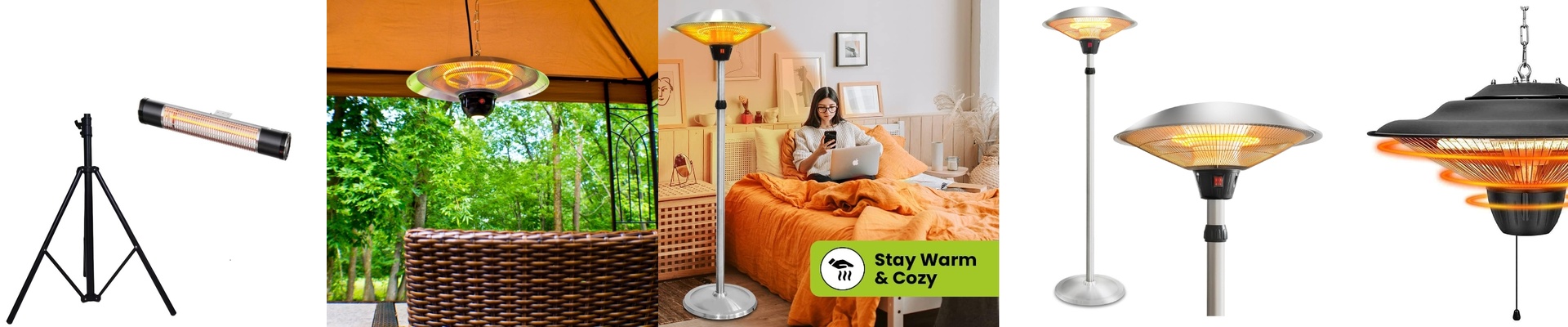
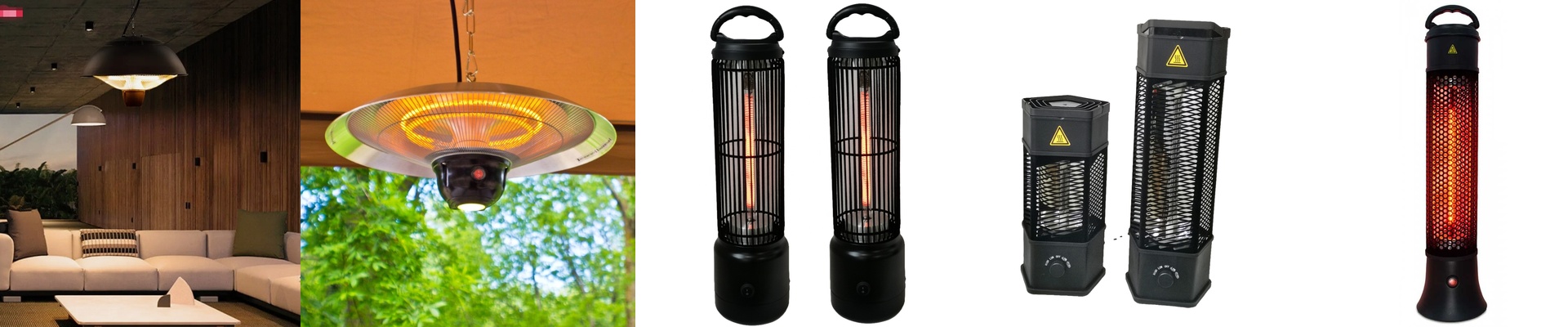
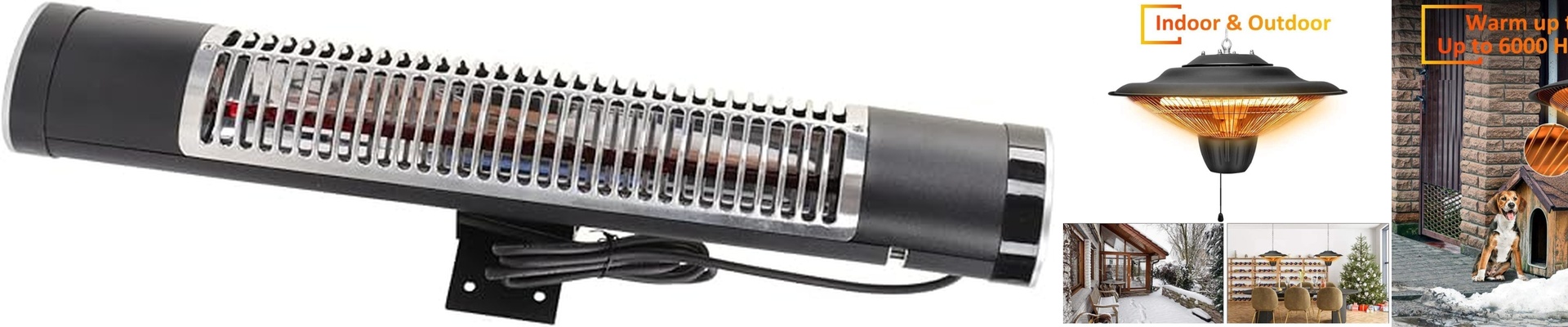
If you’re working in semiconductor deep processing, you know that every second wasted is just money disappearing. A lot of people start with hot air circulation, but if you really want to slash your cycle times, you have to look at vacuum-compatible infrared (IR) heaters. Here’s the problem with forced convection: it needs a gas medium to move heat to the wafer. But in a vacuum? There is no air. You can’t circulate something that isn’t there. It’s a physical dead end. Cutting out the middleman That’s where IR comes in. Instead of waiting for air to warm up, IR heaters use electromagnetic radiation. The photons hit the substrate directly. It’s fast. Really fast. You stop wasting time heating up the entire internal atmosphere of the chamber. Instead of waiting minutes for things to get cozy, your ramp-up time drops to seconds. Your wafers hit the target temperature almost instantly, and your throughput just takes off. Keeping things clean Now, you can’t just throw any heater into a vacuum. Standard ones tend to leak or “off-gas,” which is a nightmare in a cleanroom. We handle this by using specialized quartz envelopes and seals that actually hold up under vacuum pressure. We also use high-purity materials that won’t smoke or throw off particulates when they get screaming hot. It keeps your vacuum stable and your wafers pristine. The trade-offs (because nothing is perfect) I won’t tell you IR is a magic wand. Because the energy transfer happens so quickly, it’s easy to overshoot your target temperature if your PID loop is sloppy. You’ll want fast-response thermocouples or pyrometers to keep things on track. Also, keep an eye on your cooling system. If it’s too small, that radiant heat can soak into the chamber walls and mess with your sensor readings. But once you wire these into a precision power controller, the benefits are huge. You get much tighter thermal gradients and a way smaller equipment footprint. You can finally rip out those bulky blowers and clunky ducting and actually get some space back in your lab.