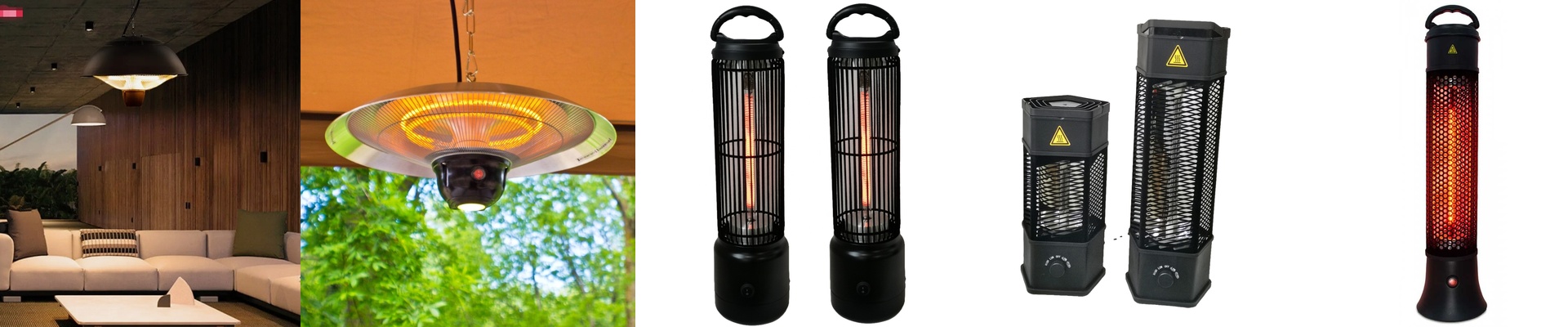
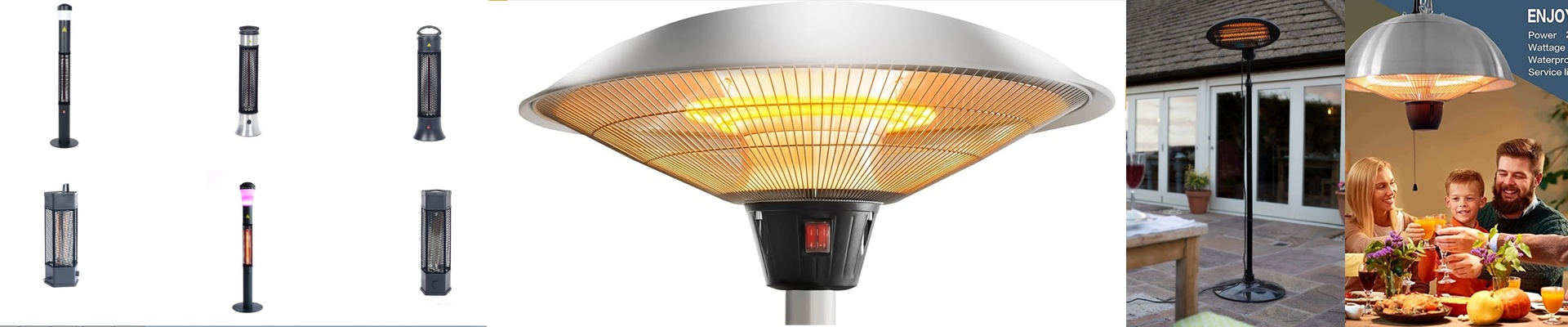
If you’ve ever run a factory or a big workshop, you know the ceiling is a nightmare for heaters. You’ve got dust floating everywhere, humidity creeping in, and chemical vapors that just eat away at everything they touch. Most heaters just can’t handle it. They burn out way too fast. We built our infrared units to actually survive that kind of mess. Dealing with the damp Fog and condensation are more than just a nuisance—they’re a disaster for electronics. When a cold drop of water hits a scorching hot quartz tube, it doesn’t just sit there. It causes thermal shock, which leads to tiny cracks, or it shorts out the whole system. To stop that, we use anti-fog seals and a special coating on the reflectors that basically tells water to get lost. Instead of clinging to the heat source, the moisture slides right off. This keeps the reflectors shiny and clear, so you aren’t losing heat because of “pitting” or grime. Keeping the gunk out Let’s be honest: shop floors are filthy. Between the coolants, lubricants, and cleaning sprays, stuff is always flying upward. We didn’t want a stray splash of oil to kill your heating system. So, we packed the wiring and connection points behind sealed gaskets and recessed blocks. If liquid hits the unit, the housing just nudges it away from the electrical core. It’s the difference between a quick wipe-down and a total system failure. The one catch Now, there is a trade-off. Because we’ve sealed everything up so tight to keep the dirt out, the air doesn’t flow around the chassis as freely as it would on a cheap, open-frame heater. This means the outer casing gets a bit hotter. Just make sure you give the unit enough breathing room from your roof insulation so you don’t run into any heat soak issues. It’s a simple deal. We isolate the heating element from the grime of the shop floor, and in return, you don’t have to spend your weekends replacing burnt-out units.