

Why Most Gazebo Heaters Die (And How We Fixed Ours)
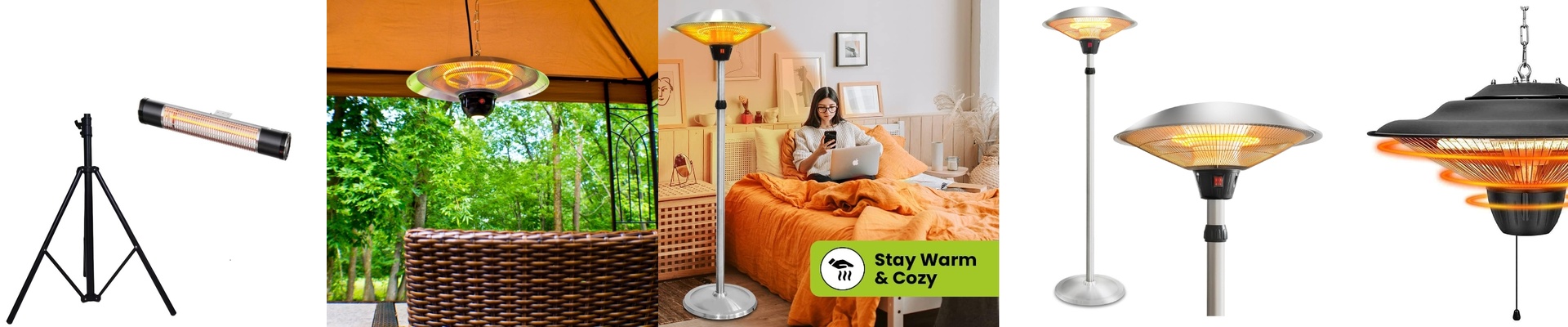
Let’s be honest: putting a 1500W heater in a gazebo ceiling is basically asking for trouble. You’ve got intense heat fighting a constant battle against humidity, morning mist, and the occasional splash of rain. Most heaters just can’t handle it. Moisture creeps into the electrical contacts or fogs up the lens, and before you know it, the whole thing is fried. It’s frustrating.
Dealing with the Damp
We decided to tackle this by using specific anti-fog and splash-proof seals. Here’s the thing: when the temperature swings in a gazebo, condensation builds up on the heater. If that water finds its way into the circuitry? Boom. Short circuit. We use gaskets and sealed housings to keep the guts of the machine bone-dry. Then there’s the glass. We added an anti-fog coating to the emitter so water doesn’t bead up. That might sound like a small detail, but it’s huge. When water droplets sit on a hot element, they create “cold spots.” The glass expands unevenly, and—snap—the quartz tube cracks. By keeping the surface clear, the heat stays steady and the glass stays intact.
The Power Stuff
We went with 1500W because you need some real muscle to fight an open-air breeze. Since your gazebo isn’t a sealed room, the heat wants to escape immediately. That’s why we use shortwave infrared. Instead of trying to warm up the air (which just floats away), it beams heat directly onto you and your guests. It feels like sitting in the sun on a crisp autumn day. One quick tip: make sure your ceiling junction box can actually handle a continuous 1500W draw. If your wiring is too thin, it’ll overheat. You don’t want your insulation melting before the heater even gets warm.
The Reality Check
These seals help a ton, but they aren’t magic. Because we’ve sealed the unit so tightly to keep water out, there’s less airflow inside the chassis. This means you have to be careful with how you mount it. Give it plenty of breathing room so you don’t accidentally bake your ceiling material. And do yourself a favor: check the gaskets every season. Once those seals wear out, the protection is gone. A two-minute check-up saves you from buying a new heater next year.