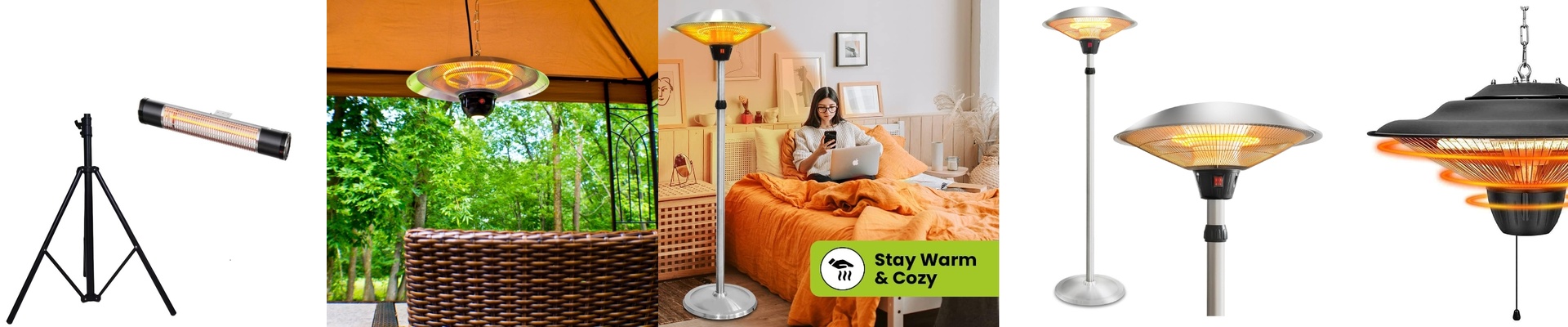
Stop the Bathroom Mold Struggle: Why Infrared Heating Actually Works
Most of us think of those ceiling heaters as just a way to stop the shivers when you step out of the shower. But there’s a lot more happening behind the scenes. We didn’t just build these to make the room feel cozy; we designed them to fight the one thing every homeowner hates: mold.
It’s all about the surfaces
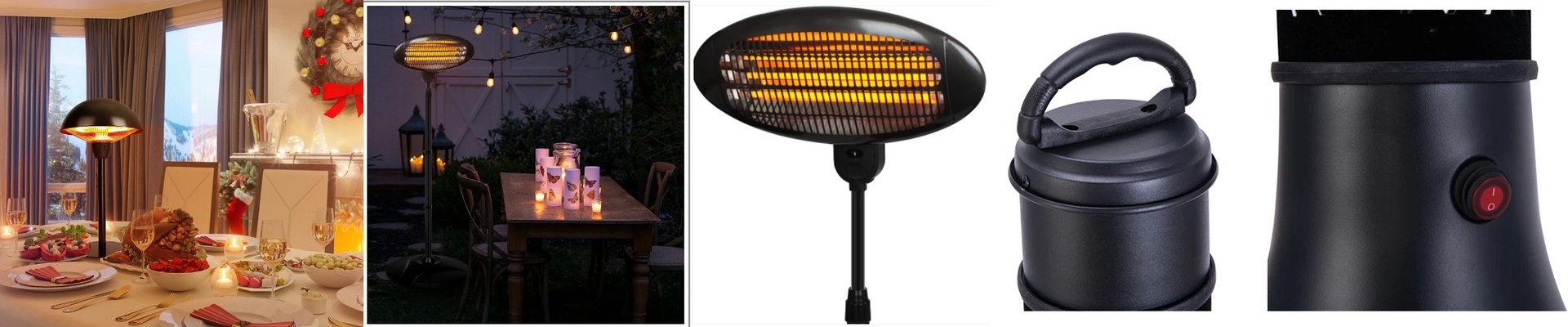
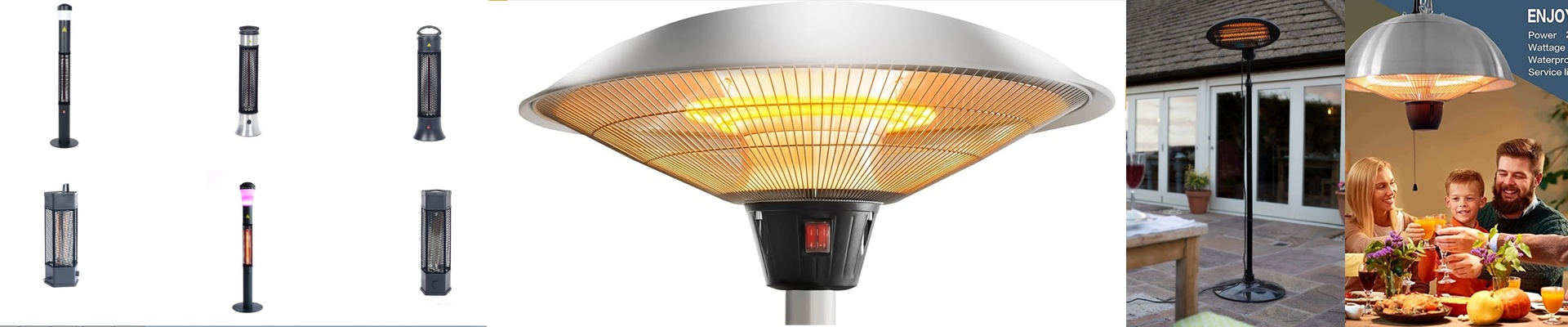
Here is the secret. Most heaters just try to warm up the air. That’s fine, but it doesn’t really stop the walls from getting damp. We use shortwave infrared instead. Think of it like the sun hitting your skin on a clear day. It doesn’t warm the air around you first—it goes straight for the surface. When that heat hits your tiles and ceiling, it keeps them warm enough that water can’t settle. No condensation, no damp spots, and most importantly, nothing for mold spores to eat.
Clearing the air
There’s another cool thing happening here. Because the quartz elements pack so much heat into one spot, they actually push the moisture off your walls and floors way faster than a normal space heater would. The damp air gets pushed upward quickly. If you’ve got a decent exhaust fan running at the same time, you’re basically vacuuming the humidity out of the room in record time. It just feels… crisper.
A few things to keep in mind
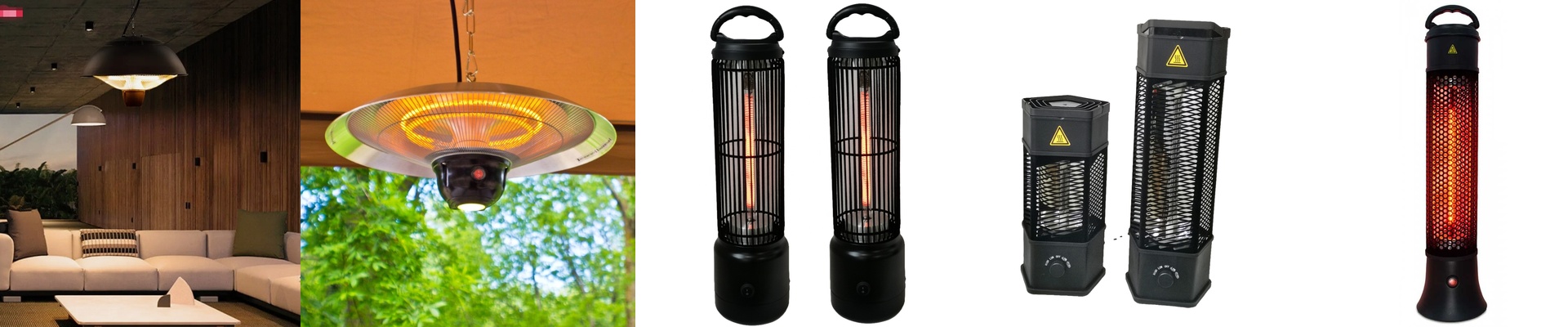
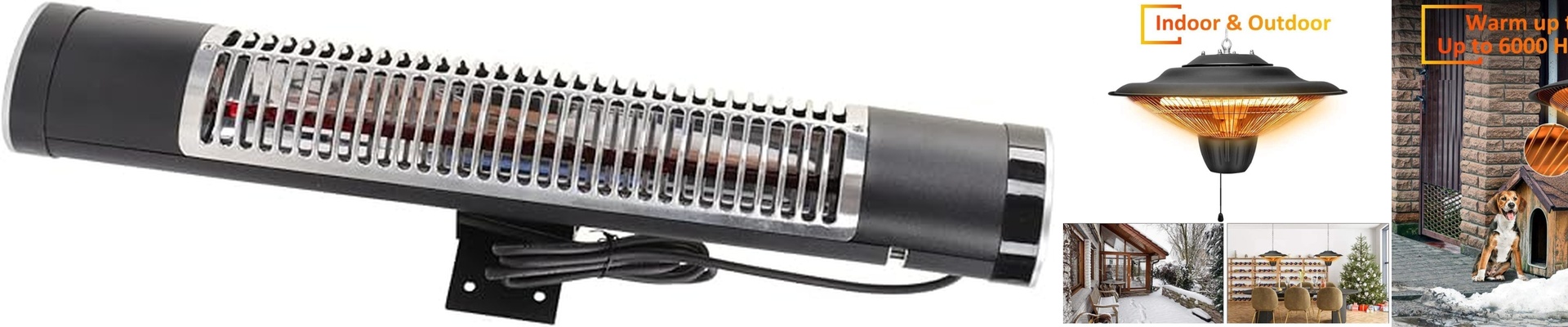
Now, these aren’t “set it and forget it” magic boxes. They’re powerful. Placement is everything. If you mount the lamp too low, it’ll feel like you’re standing under a heat lamp at a buffet—way too intense. But if it’s too high, you lose that “dry-wall” effect we talked about. It’s all about finding that sweet spot. Also, a quick tip: keep the quartz tubes clean. Dust loves to settle on them, and when that happens, the heat doesn’t flow right. It can create hotspots that might burn the lamp out early. Just give it a quick wipe every six months. Your bathroom—and your wallet—will thank you.