Why IR Curing is the Smart Move for Your Fab Upgrade
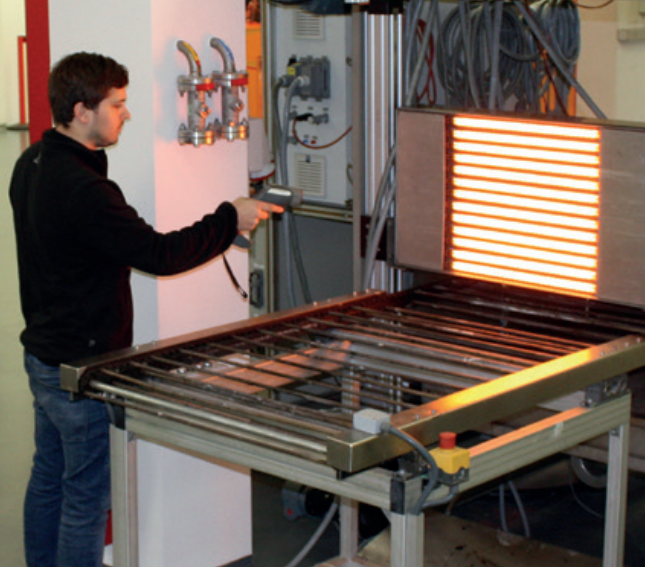
When you’re looking at upgrading clean room gear, it usually boils down to two things: stopping the energy bleed and making sure you’re actually hitting those lead-free standards. Most old-school setups use convection ovens. They heat up the air, and then the air heats the wafer. It’s slow. It’s clunky. And honestly? It’s a massive waste of power. That’s why we’ve moved toward infrared (IR) curing. Instead of heating the whole room, it sends energy straight to the substrate. It’s all about the physics. Think of it like a microwave versus a traditional oven. You aren’t sitting around waiting for a giant chamber to reach a certain temperature. You’re hitting the material with photons. Because the heat goes exactly where it needs to go, the machine doesn’t have that huge thermal footprint. Your power bills drop, and you actually meet those “green fab” goals without having to fake it. Dealing with lead-free stuff Here’s the tricky part: lead-free solders and adhesives are picky. They need higher, more precise heat to cure properly, but if you overdo it, you’ll fry your circuitry. With IR, we can tweak the wavelength—short, medium, or long—to match whatever resin or paste you’re using. It’s a surgical approach. You get a clean cure and you don’t have to deal with the nasty off-gassing you get from those old, uncontrolled heaters. The catch (because there’s always one) IR is fast. Really fast. But it isn’t a magic wand. Since the heat is so concentrated, you have to watch out for hot spots. If your emitters aren’t mapped right or your conveyor is dragging, you’ll scorch the edges of your wafers. You’ll spend a bit more time upfront on calibration—getting your PID controllers and sensors dialed in—but that’s a small price to pay. Once it’s humming, the throughput is way higher than anything a standard oven can touch.