Keeping Your Class 100 Cleanroom Actually Clean
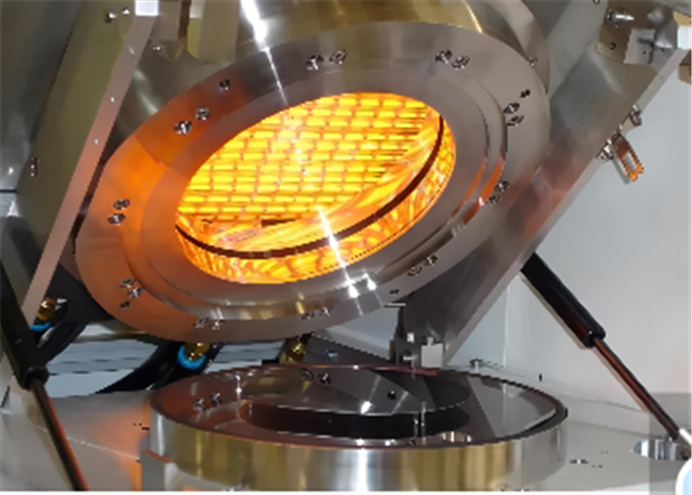
When you’re working in a Class 100 environment, heating is a bit of a nightmare. It’s not just about getting things warm; it’s about making sure you aren’t accidentally dumping particles into your workspace. Most standard heating elements are a liability. They off-gas. They shed tiny bits of material. It’s a disaster waiting to happen. That’s why we stick with high-purity synthetic quartz infrared lamps. They give you the heat you need without the ozone or the nasty volatile organic compounds (VOCs) messing up your production.
The Deal with Ozone
Here is the problem with a lot of short-wave IR lamps: they emit energy that can actually split oxygen molecules in the air. That creates ozone. In a sterile room, ozone is basically a corrosive agent. It eats away at sensitive parts and ruins expensive wafer or lens coatings. To stop that, we tweaked the filaments and the quartz envelopes to shift the spectral output. Basically, we make sure the energy goes straight into your workpiece via radiation. It doesn’t hang around reacting with the air.
What’s Under the Hood
We use high-purity fused quartz. It’s tough. It handles extreme thermal shock and doesn’t crystallize over time. We also make the seals vacuum-tight so nothing leaks out. And since we know you’re in a dust-free zone, we stripped out all the adhesives and coatings. No glues means nothing can flake off. You just get a clean, inert tube that stays stable even when it’s running at peak temperature.
A Few Things to Watch Out For
Now, there is a trade-off. High-purity quartz is the gold standard for cleanliness, but it’s more brittle than the usual borosilicate glass.**Do not touch these tubes with your bare hands.**The oils from your skin create hotspots, and that’s a fast track to a cracked tube. Use vacuum-rated fixtures to keep them secure. One last tip: if you’re pushing these to max wattage for high-density heating, keep an eye on your HVAC. You’re putting a lot of heat into the room, and you don’t want your ambient temperature drifting.