Getting Your Wafer Heating Right (Without Wasting Energy)
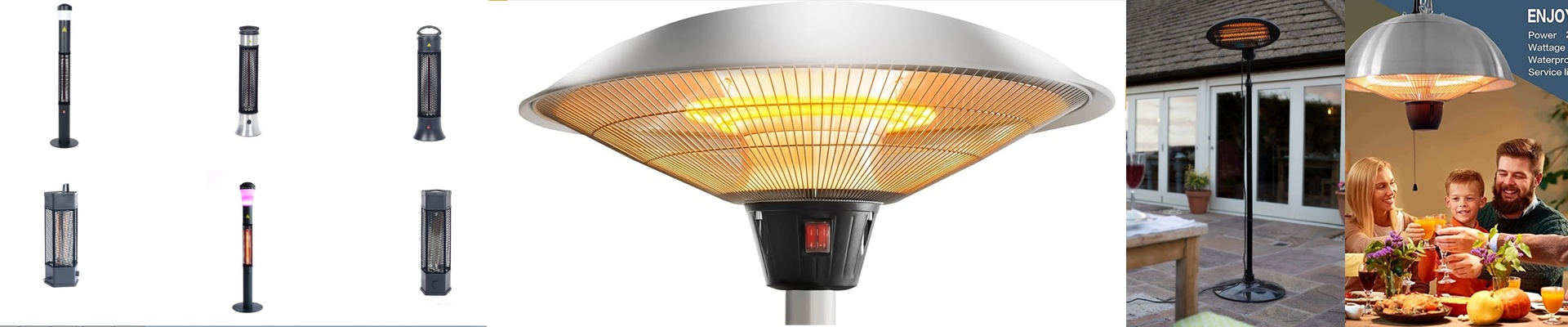
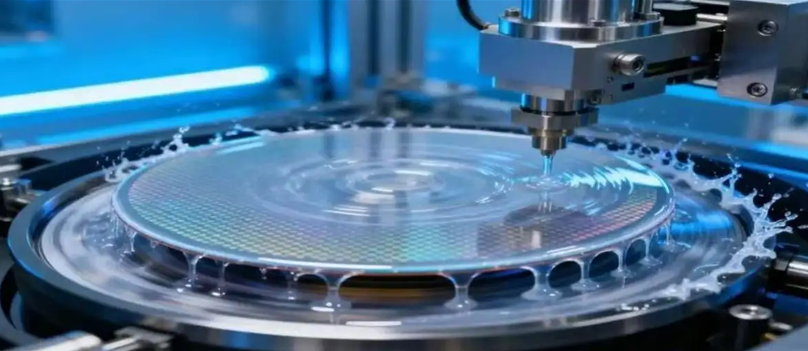
When you’re dealing with a rinse process for silicon wafers, you’ve got a tricky balance to strike. You need the surface dry and hot, but you don’t want to turn your entire chamber into an oven or blow your power budget. We handle this by pairing waterproof IR lamps with gold-coated reflectors. Here’s why that actually matters.
Why gold?
Most people use aluminum reflectors. They’re cheap, sure. But aluminum absorbs a lot of that infrared energy instead of pushing it where it needs to go. We use gold because it’s incredible at bouncing near-infrared light. It’s not for show. It’s about photons. Gold reflects way more of them back toward the wafer, which gives you a much tighter focus. The result? Your wafer hits the target temperature faster, and you use fewer watts to get there. It’s efficient. Simple as that.
Dealing with the heat
These lamps are built to live in a wet, messy rinse environment without flinching. By focusing the radiation, we stop that annoying “stray heat” from leaking into the machine frame. You get a concentrated beam of heat hitting exactly where it should. Now, let’s be real: gold isn’t cheap. Your initial cost will be higher than if you went with polished aluminum. You just have to decide if the faster cycle times and lower power bills are worth the upfront spend. Usually, they are.
Keeping things running
The best part is that these are drop-in replacements. They fit right into your standard IR setup. We’ve made sure the seals are airtight, so rinse chemicals don’t get in there and eat your filaments. A quick heads-up: if your cooling system isn’t ready for that extra heat flux at the wafer level, you might see some weird temperature spikes. Keep a close eye on your PID loops. And do yourself a favor—check those reflectors every quarter. If grime or contaminants build up, your reflectivity tanks. The lamps then have to work overtime to make up for it, which burns out the tubes way faster than they should. Keep them clean, and they’ll last.