Getting the Heat Right in Bio-Sensor Fabrication
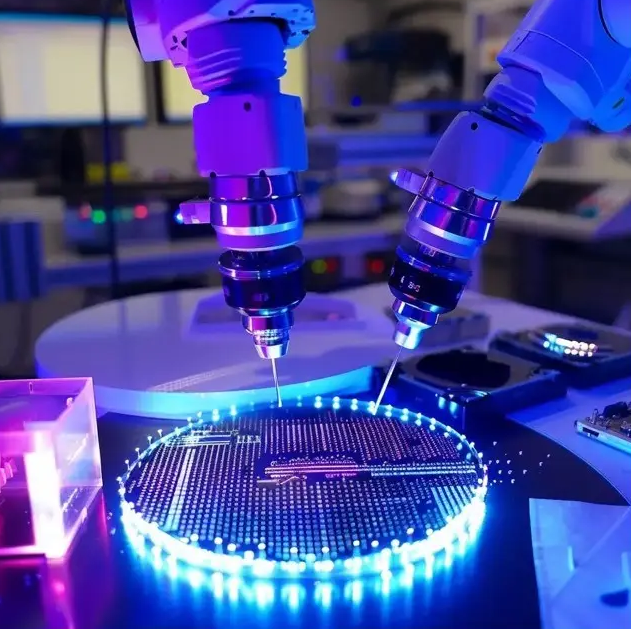
Making bio-sensors is a bit of a balancing act. If your temperature is off by even a hair, the whole batch is trash. That’s why we lean on short-wave infrared (IR) systems. They handle the curing and drying stages fast, which is exactly what you need when you’re trying to keep a modern fab running smoothly.
The Power Side of Things
Here’s the thing: to get those sensor substrates up to temp, you need some serious power density. We use high-wattage quartz tubes because they push heat deep into the material. It’s the best way to get the job done without accidentally scorching the surface. And if you’re working with a larger footprint—say 300mm or more—you’ll run into voltage drops. It’s a common headache. We fix this by using higher voltage ratings. It keeps the heat uniform across the entire tube, so you don’t end up with “cold spots” on your sensors.
Stop Guessing, Start Measuring
We’ve all seen the buzzwords around “Industry 4.0,” but in the real world, it just means having better data. We wire these IR systems directly into PID controllers and PLCs. This lets you track the energy input for every single batch in real-time. It’s a lifesaver when things go wrong. If your yield suddenly drops, you don’t have to scratch your head wondering why. You just check the logs. You’ll see right away if a lamp is starting to burn out or if the power flickered.
The Reality of the Fab
IR heating is incredibly fast. It blows traditional convection ovens out of the water when it comes to cycle times. But there’s a catch. All that intensity creates a lot of ambient heat. If you don’t get your cooling fans and heat sinks right, your temperatures will drift, and you’ll blow right past your thermal window. We designed these systems to be simple drop-in replacements for old heating elements. By switching to a digitized IR array, you stop guessing what the temperature is and start actually measuring the energy. It makes the whole quality control process a lot less stressful.