Stopping Thermal Drift in Your Tooling
Let’s be honest: trying to heat the inside of a semiconductor chamber without accidentally cooking the walls is a nightmare. If you’re using traditional convection or those omnidirectional heaters, you’re basically dumping heat everywhere. You end up with “hot walls,” which is a recipe for disaster. Your chassis starts to warp, and your techs end up getting burned when they go in for maintenance. Nobody wants that. The fix? Stop heating the air and start using directional infrared (IR) heating.
How the heat actually moves
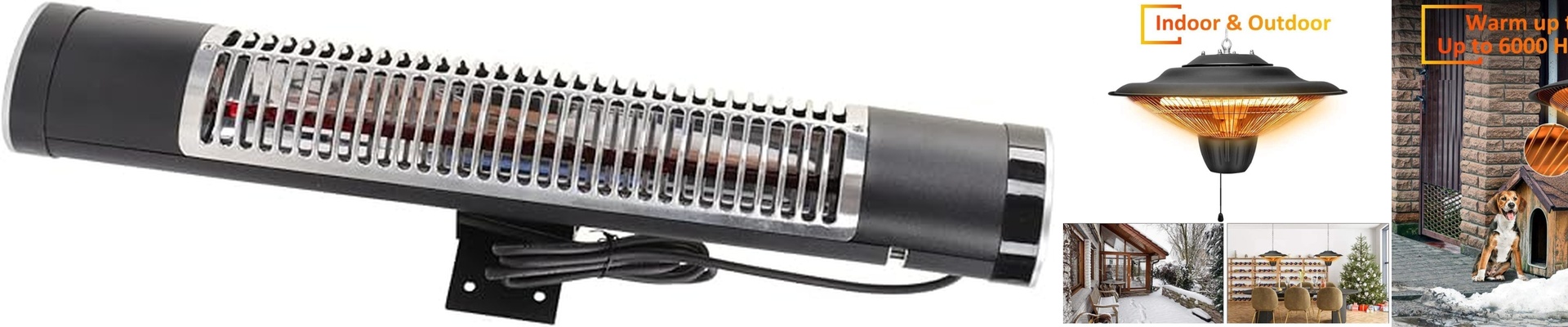
Think of directional IR lamps like a flashlight, but for heat. Instead of filling the whole room with warmth, these lamps push energy into a tight, focused beam. The IR photons head straight for the wafer or substrate. By tweaking the reflector geometry, we can make sure the heat hits exactly where it needs to and stays far away from the cabinet lining. No waste heat soaking into the walls. Simple as that.
Keeping things steady
You can’t just flip a switch and hope for the best. You need eyes on the process. We pair these lamps with high-precision thermocouples that watch the surface temperature of the component in real-time. If the temp dips, the controller bumps up the wattage. If it gets too hot, it dials it back. The best part? It’s fast. Really fast. Because you aren’t waiting for the air to warm up, the response is almost instant. Plus, your HVAC system won’t have to work overtime to fight the leaked heat.
The reality check
Now, this isn’t some magic wand. There are trade-offs. Directional heating relies entirely on line-of-sight. If your workpiece has weird shapes or deep pockets, the beam is going to miss those spots. You’ll end up with cold zones. You have to spend some real time mapping out your heat distribution during the design phase to avoid this. And a quick heads-up: if you go with higher wattage lamps, your power supply is going to feel it. You’ll also need to be incredibly precise with where you place those thermocouples, or you’ll risk overshooting your target temperature.