


Keeping Your Wafers Clean: The Truth About Heating
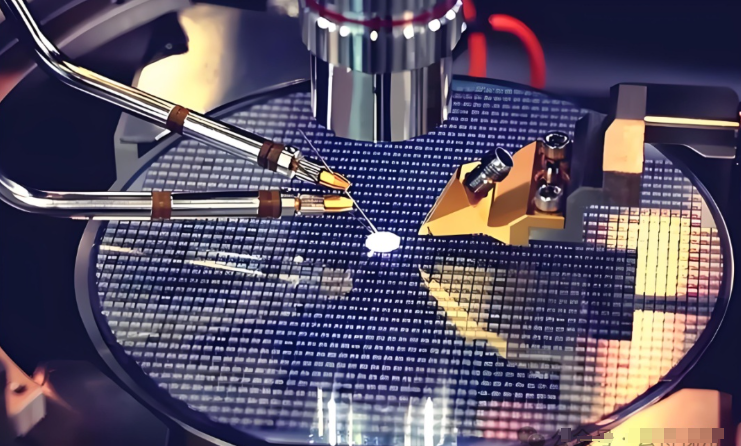
If you’re working in a Class 100 cleanroom, you already know the nightmare of particulate shedding. One tiny flake of metal or a bit of outgassing from a cheap heating element, and your yield just tanked. It’s frustrating. That’s why we use high-purity synthetic quartz IR lamps. Think of the fused quartz envelope as a bodyguard. It locks the heating filament away, so there’s zero chance of metallic particles drifting onto your wafer surface. You get the heat you need without the contamination you hate.
Why Synthetic Quartz?
It comes down to how the material handles the stress. Synthetic quartz doesn’t warp much when things get hot, and it lets short-wave IR radiation pass right through. Inside that tube, the tungsten filament is running a controlled halogen cycle. This is the secret sauce—it stops the tube from darkening over time. Because the glass stays clear, your heat flux stays steady across the whole wafer. No cold spots, no surprises.
Dialing in the Heat
Depending on how much space you have, we can tweak the wattage and voltage to fit your setup. If you’re running a high-throughput line, you probably want high-wattage lamps. They ramp up fast. Really fast. You can hit your target temperature in a matter of seconds, which keeps the line moving. But here’s a heads-up: all that concentrated heat has to go somewhere. If you don’t have your cooling fans or water-jackets dialed in, the heat will build up around the housing. If you ignore that, your components will fry prematurely. Simple as that.
Getting Them Installed
We made these lamps a drop-in replacement, so they should slide right into your existing system without a fight. The seal between the quartz and the lead wires is vacuum-tight. We do this to keep the air out and the halogen gas stable inside. It just works better. One quick tip for when you’re wiring them up:**keep your contacts clean.**If there’s any oxidation at the terminal, it creates a hot spot. That’ll burn out the ends of your lamp faster than you can blink. And please, stick to the rated voltage. Don’t push the filament harder than it’s meant to go.