

Keeping Your Chemical Wafer Tools from Going Boom
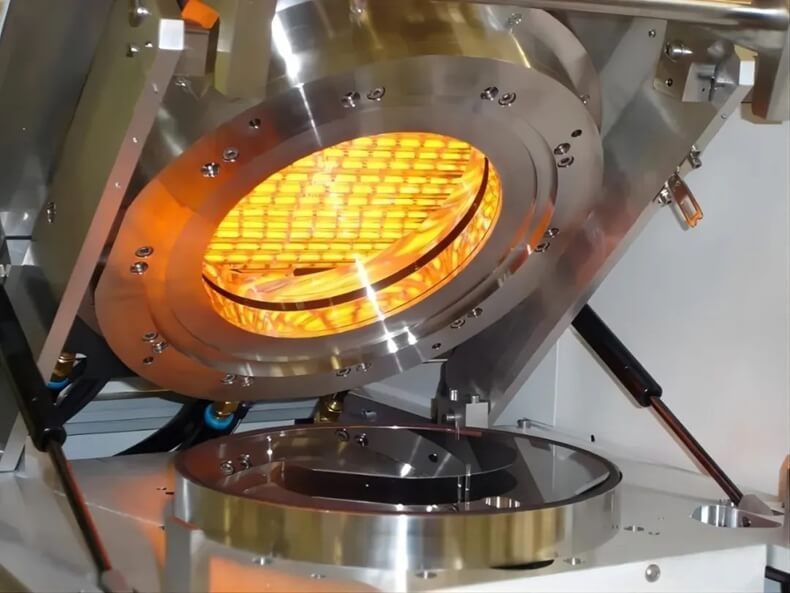
Let’s be honest: mixing volatile, flammable chemicals with an infrared heating lamp is a recipe for disaster. You’ve basically got a high-risk ignition point sitting right in the middle of your process. We figured out a way to fix this. Instead of using those open-element designs that leave everything exposed, we wrap the whole thing in a hermetic seal. How we actually make it safe Standard IR lamps usually fail in chemical environments because the electrical terminals and seal points are just too leaky. Vapors get in, and then you have a problem. To stop that, we use a two-step approach. First, we slide the lamp into a sleeve made of sapphire or chemically resistant quartz. Then, we pack the electrical connections with high-temperature, explosion-proof potting compounds. It’s simple: we stop the spark before it ever has a chance to start. We also make sure these seals can handle the nasty, corrosive cleaning agents you’re using, so the enclosure doesn’t just crumble or leak after a few months of hard use. Dealing with the heat Now, you might think adding all this protection kills your heat density. It doesn’t. We’ve spent a lot of time balancing the thickness of that encapsulation so the IR radiation still hits the wafer without getting soaked up by the sleeve. But here is the catch: you’ve got to watch your thermal lag. Adding that protective layer adds mass. That means your PID tuning isn’t going to behave the same way it used to. If you’re swapping these into an old tool,**don’t just copy your old settings.**You’ll likely overshoot your target during ramp-up, so take a moment to re-map your temperature curve. Fitting it into your setup We designed these to be drop-in replacements. Because the safety shielding is built right into the lamp, you don’t have to build some massive, clunky explosion-proof cabinet around your entire tool. It keeps your footprint small and your workspace clean. Just double-check that your wiring is rated for your specific cleanroom zone, and you’re good to go.