

Keeping Things Safe When You’re Curing Wafers in Chemical Zones
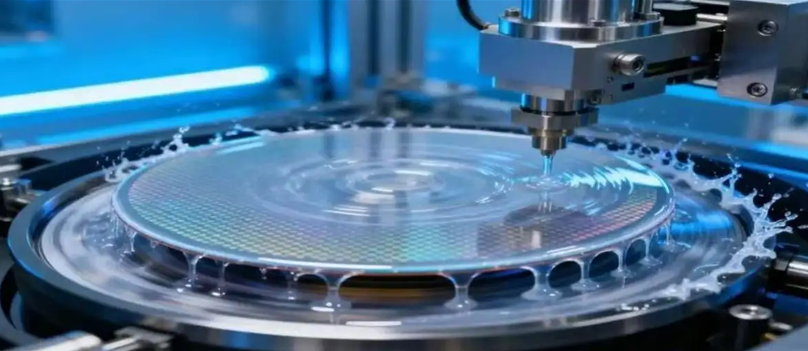
Curing wafers needs a lot of heat, but when you put those lamps right next to chemical cleaning stations, you’ve got a problem. Volatile vapors are everywhere, and the last thing you want is a spark turning your workspace into a fireball. That’s why we obsess over the sealing and the reflection. It’s not just about the heat; it’s about making sure that heat stays exactly where it’s supposed to.
Locking Out the Danger
An open-lamp setup in a room full of flammable cleaners is basically a disaster waiting to happen. We don’t take that risk. Instead, we use hermetic sealing to completely wall off the electrical terminals from the air. We pot the connection points and use gaskets that don’t flinch when they hit corrosive vapors. This stops the chemicals from eating through your insulation or triggering a short circuit. One quick tip: make sure your housing is grounded. Static buildup is a silent killer in these zones, so don’t skip that step.
Getting the Heat Where it Actually Matters
If you don’t have a solid reflector, you’re just throwing half your energy into the void. We use high-purity aluminum or gold-coated reflectors to bounce that short-wave infrared radiation straight onto the wafer. It puts the heat density right on the target and keeps the rest of the chassis from overheating. Keep an eye on your reflectors. If they get pitted or slip out of alignment, you’ll start seeing “cold spots” on your wafers, and your curing will be all over the place.
The Trade-off: Heat vs. Safety
Here’s the catch. High-intensity lamps get incredibly hot. While the sealing keeps the explosions away, it also traps heat around the lamp head. You can’t just “set it and forget it.” You’ll need to pick the right cooling fans or liquid-cooling jackets to move that thermal load out of there. If you let it bake, those seals will eventually degrade, and your safety rating goes right out the window. I always suggest a quick check of the seals every six months. It takes a few minutes, but it beats a total system failure and a week of unplanned downtime.