

Making Bio-Sensor Fab a Little Greener with IR Heating
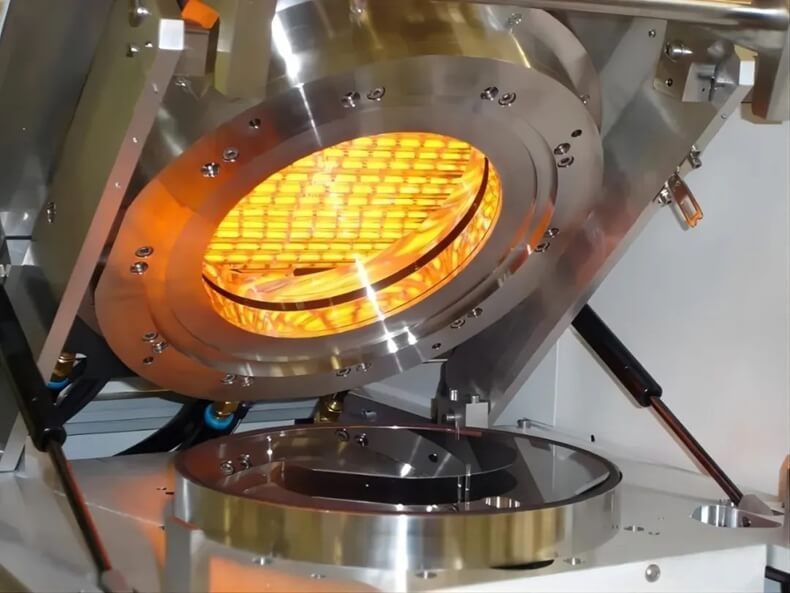
Making bio-sensors is a finicky process. You need things bone-dry and cured just right, which usually means relying on huge convection ovens. But honestly? Those ovens are energy hogs. We’ve started swapping them out for infrared (IR) lamp systems. Instead of heating up a massive chamber of air just to get a few wafers warm, IR targets the material itself. It’s like the difference between heating your entire house with a furnace just to warm up your hands, versus using a small space heater. The energy side of things Traditional heating is wasteful. You’re spending a ton of power just to move hot air around. IR is different. It uses electromagnetic radiation to transfer heat instantly. In the lab, this means you aren’t waiting forever for the system to ramp up. Plus, you aren’t burning power while the machine sits idle. When you tune the lamps to the specific material you’re using, the drop in kWh per wafer is pretty dramatic. Getting the control right Now, you can’t just blast the heat and hope for the best. Semiconductor-grade work has zero room for error. To keep things precise, we pair the lamps with fast-response pyrometers and PID controllers. This stops the temperature from spiking and ruining your batch. One heads-up, though: if you’re running at full tilt, make sure your exhaust can keep up. If that heat builds up too much in one spot, your substrate will warp, and that’s a headache nobody wants. Cutting the “vampire” power If you’re trying to hit carbon neutrality, you have to kill the “vampire” loads—those machines that suck power just by being plugged in. The beauty of IR is that it’s basically instant. On. Off. Done. You don’t have to keep a giant oven humming for eight hours a day “just in case.” It makes the whole facility breathe a bit easier. Is there a catch? Well, the initial setup costs a bit more. You have to spend some time mapping the trays to make sure there aren’t any cold spots. But once the array is dialed in, the energy savings usually pay for the hardware within the first year. It’s a smart way to get that “Green Factory” badge without slowing down your production line.