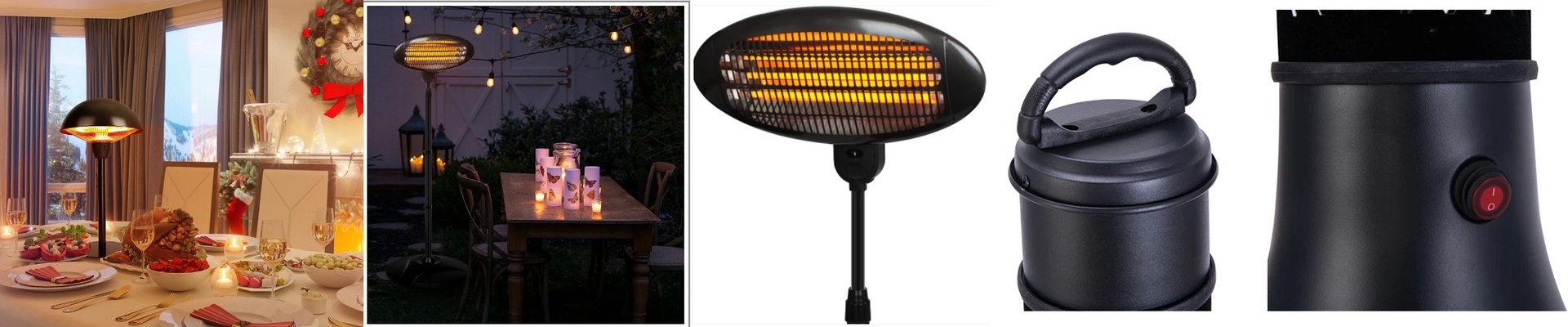


Getting the Heat Right (Without the Blinding Glare) in Bathroom Lamps
When we’re building replacement heating elements for bathroom lamps, we aren’t just trying to hit some random wattage number on a spec sheet. The real trick is getting that instant, cozy heat without the nasty side effects—like UV rays or that piercing glare that can be way too much for your eyes, especially if you’ve got a baby in the room. The light problem Standard short-wave infrared lamps can be blinding. Nobody wants that in their bathroom. To fix it, we use specific quartz glass and halogen gas. The halogen part is great because it stops the tungsten filament from evaporating too fast, which means the bulb actually lasts. By tweaking the filament temperature and the coating on the glass, we can shift the light. We basically filter out the harsh blue light and UV spikes. The result? A “soft” glow. You get all the heat, but none of the blinding brightness. Dealing with steam and stress Bathrooms are humid. Period. That’s why we make sure these elements fit into IP65-rated housings. It keeps the moisture out so you don’t end up with a short circuit at the terminals. Most of these are just simple drop-in replacements with R7s or snap-in connectors. Fast and easy. But here’s the tricky part: thermal expansion. Quartz expands at a different rate than metal. If the fit is too tight, the tube will literally snap the first time it heats up. Too loose? You lose your seal, and the moisture gets in. It’s a delicate balance. Keeping it running The best part about these lamps is that they’re instant. You flip a switch, and the room is warm. But there’s a catch. Because they put out so much concentrated heat, you have to keep the reflectors clean. If dust or soap scum builds up, the reflector stops bouncing the heat and starts absorbing it. That’s how you end up with an overheating housing or a burnt-out filament. Just keep the reflectors polished. It keeps everything efficient and makes your lamps last much longer.